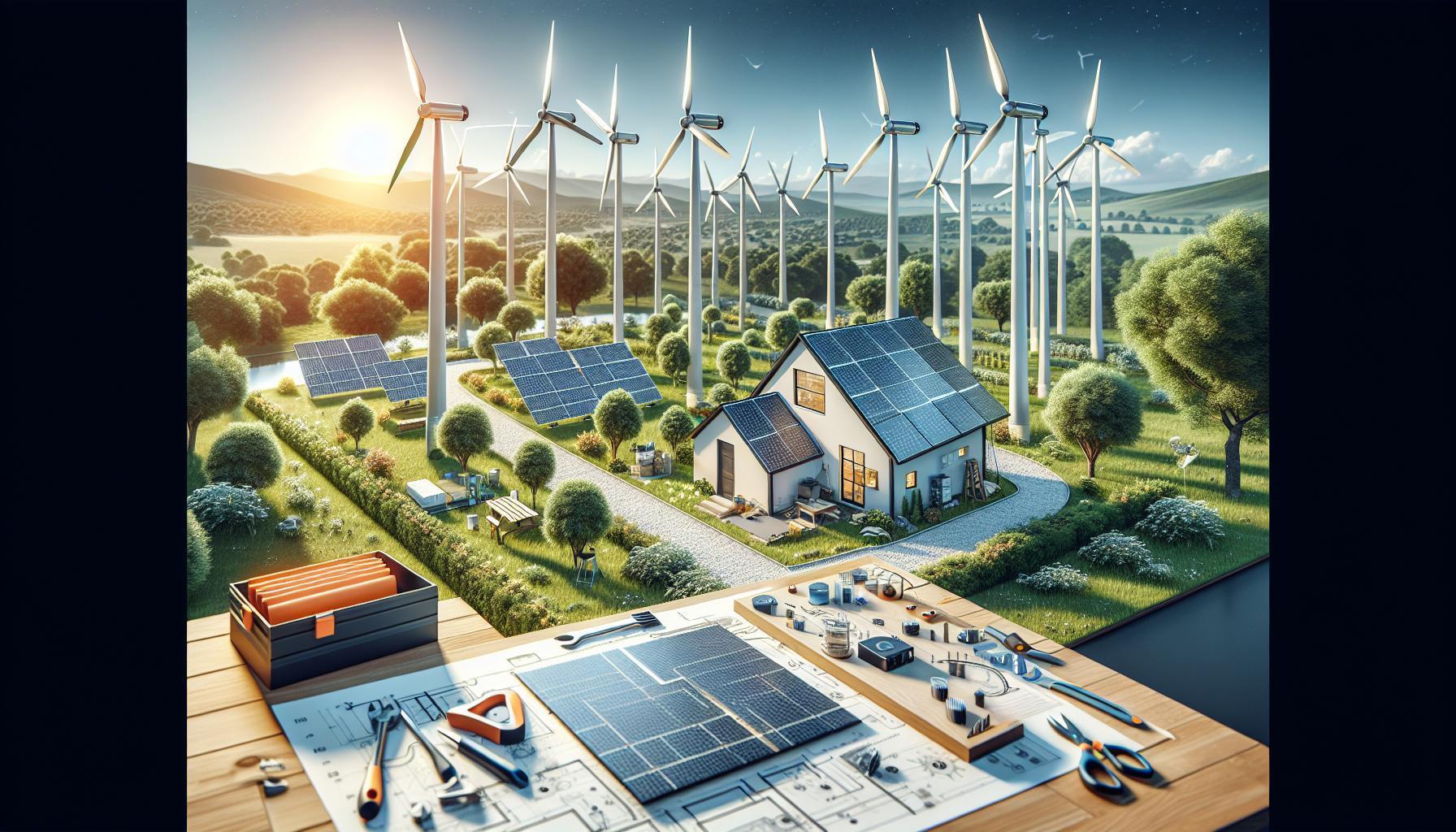

Did you know that harnessing just one day of wind energy could power millions of homes for a month? With energy costs on the rise and climate change pressing for immediate action, many homeowners are seeking sustainable alternatives. DIY wind generator kits offer a practical, cost-effective solution that not only reduces reliance on traditional power sources but also empowers individuals to contribute to a greener planet.
As you explore the benefits of these kits, you’ll find they cater to both the financially conscious and the environmentally aware. Whether you’re looking to lower your electricity bills, reduce your carbon footprint, or simply enjoy the satisfaction of building your own power source, investing in a wind generator can be an exhilarating journey.
In this guide, we will delve into the top DIY wind generator kits available, helping you make an informed decision that aligns with your needs and aspirations. Ready to take the first step toward energy independence? Let’s explore the best options to power your home sustainably!
Understanding Wind Generator Kits: A Beginner’s Guide
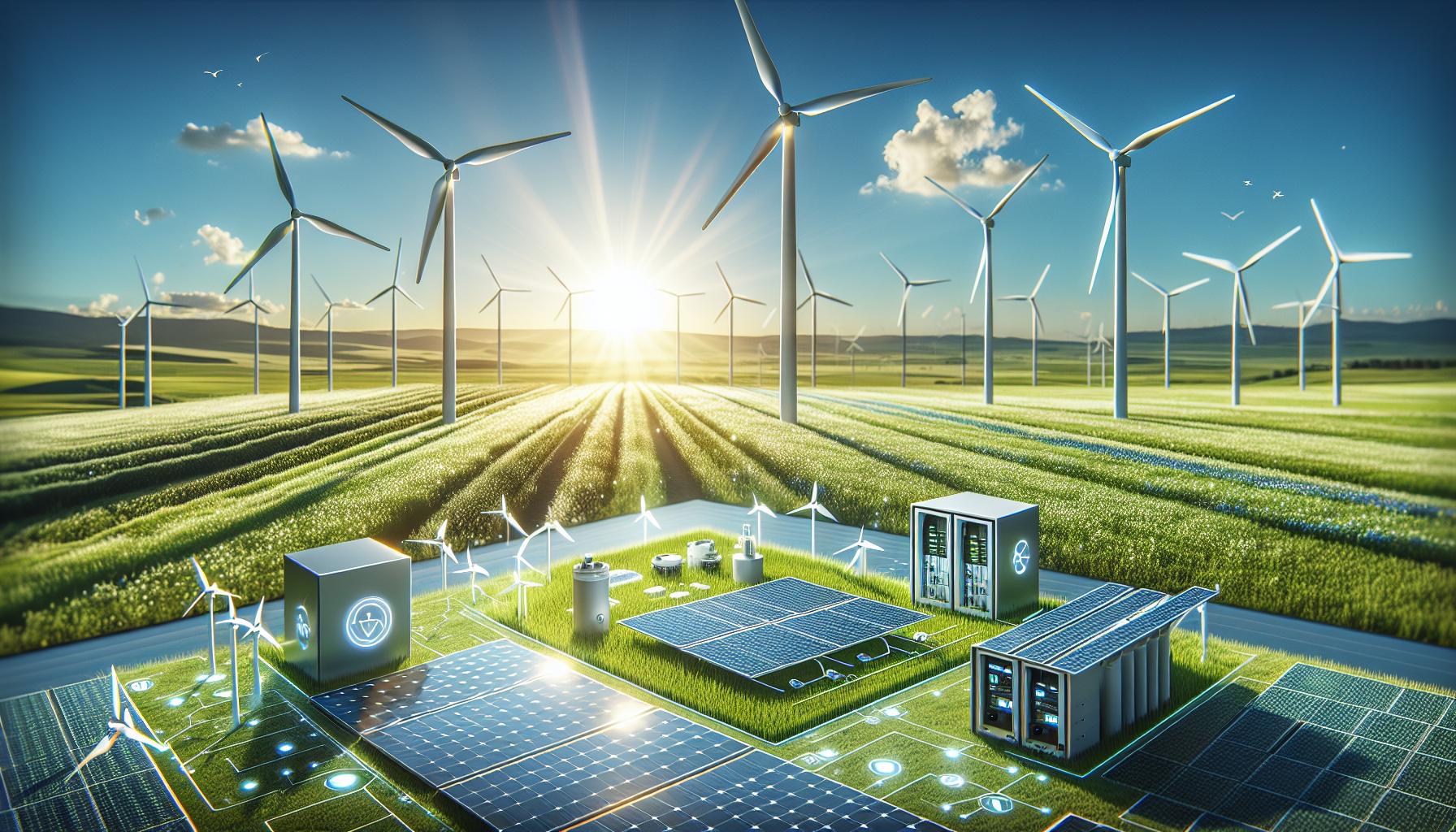
Imagine harnessing the power of the wind to generate your own electricity, reducing your dependence on fossil fuels while saving on energy costs. Wind generator kits designed for do-it-yourself (DIY) enthusiasts offer a practical and empowering solution for homeowners interested in renewable energy. These kits provide the essential components and instructions needed to build and install a wind turbine, transforming an often daunting process into an accessible project for anyone willing to roll up their sleeves.
Wind energy systems consist of several key components working in harmony to capture wind energy and convert it into usable electricity. A typical DIY wind generator kit includes a turbine, a tower, a charge controller, and sometimes an inverter. The turbine captures wind energy, while the tower elevates the turbine to a height where the wind is stronger and more consistent. The charge controller regulates the power produced to prevent battery overcharging and damage. Some kits may additionally feature an inverter, which converts the generated DC power into AC power for home use. This ensemble of parts highlights the customizable and modular nature of wind generator kits, allowing homeowners to tailor their installations according to their energy needs and local wind conditions.
Investing in a DIY wind generator kit not only supports sustainable living but can also provide significant economic benefits. For homeowners further exploring this clean energy alternative, understanding your specific energy needs and local wind patterns is crucial. The right kit can yield substantial energy savings; for instance, users in areas with consistent winds report reductions in utility bills of 50% or more. Furthermore, many of these systems qualify for government incentives, making the initial investment more affordable.
As you embark on this renewable energy journey, it’s essential to research and assess the wind resources in your area. Tools like wind maps can provide insights into average wind speeds and local regulations regarding turbine installation. Engaging with online communities or local renewable energy groups can also provide invaluable support and shared experiences. In venturing to install a DIY wind generator kit, you are not only investing in your future but also contributing to a more sustainable planet.
Key Components of Wind Energy Systems

Understanding the inner workings of wind energy systems is crucial for anyone considering the installation of a DIY wind generator kit. At the heart of these systems lies the wind turbine, which plays a pivotal role in capturing wind energy and converting it into usable electricity. While these components may seem straightforward, each element is designed to optimize efficiency and effectiveness in harnessing the wind’s power.
Key Components
One of the most critical components of a wind energy system is the turbine, which typically consists of blades, a rotor, and a generator. The blades are aerodynamically designed to catch the wind, spinning the rotor, which is connected to the generator. This motion creates mechanical energy that the generator transforms into electrical energy. The size and number of blades can significantly influence the turbine’s efficiency, with three blades being the most common design for balancing performance and structural integrity.
To elevate the turbine to heights where wind speeds are more favorable, a tower is employed. Towers can vary in height and material, ranging from galvanized steel to wood, depending on the kit’s specifications and the local landscape. Generally, a taller tower can capture stronger, more consistent winds, leading to increased energy output.
Another critical element is the charge controller, which plays an essential role in managing the energy produced. It regulates the voltage and current flowing from the turbine to the batteries, ensuring that the batteries do not overcharge, which can lead to damage. In systems that incorporate energy storage, this component is vital for longevity and safety. Additionally, many kits include an inverter, which converts the generated direct current (DC) into alternating current (AC), making the electricity usable for standard household appliances.
Customization and Modularity
What sets DIY wind generator kits apart is their modularity. Many of these systems allow users to customize components based on their specific needs and local wind conditions. For instance, if a homeowner lives in an area with frequent high winds, they may opt for a turbine with a greater capacity or additional blades to maximize energy collection. Conversely, in low-wind areas, a smaller turbine might be more appropriate, reducing costs while still making effective use of available wind resources.
In summary, the – including turbines, towers, charge controllers, and inverters – work in concert to create an efficient means of harnessing renewable energy. By understanding these components, homeowners can make informed decisions about which kits best meet their needs, paving the way toward sustainable energy independence. With advances in technology and several available options, these systems not only empower homeowners to take control of their energy use but also contribute positively to the environment.
Benefits of DIY Wind Generator Kits for Homeowners

The allure of harnessing the wind for clean energy extends beyond environmental concerns; it promises significant benefits for homeowners eager to embrace sustainability. By opting for DIY wind generator kits, homeowners can not only lower their energy bills but also gain a sense of independence from utility companies. Investing in wind energy allows individuals to take charge of their energy usage, effectively creating their own source of power while contributing to a greener planet.
One of the most compelling advantages of these kits is cost savings. Once installed, wind generators can drastically reduce or even eliminate electricity bills, especially in areas with consistent wind patterns. According to renewable energy studies, households that switch to wind energy can save anywhere from 50% to 90% on their monthly energy costs. Furthermore, many regions offer tax incentives and rebates for adopting renewable technologies, which can further offset the initial investment in a wind generator system.
Additionally, engaging in DIY projects fosters a sense of accomplishment and empowerment. Homeowners have the unique opportunity to customize their energy systems according to their specific needs. Whether it’s adjusting the size of the turbine to match local wind conditions or incorporating storage solutions to ensure energy availability during calm periods, these kits provide the flexibility to fine-tune performance. The result is not only a personal achievement in sustainable energy generation but also a greater connection to the home and environment.
Moreover, utilizing wind generators can enhance property value. As the market increasingly emphasizes sustainability, homes equipped with renewable energy systems often attract buyers who are willing to pay a premium for energy-efficient features. For example, properties with existing wind generators may see appreciation in value due to the ongoing desire for sustainable living solutions.
In summary, adopting a DIY wind generator kit represents an excellent opportunity for homeowners to save money, customize their energy systems, and potentially increase property value. By turning to wind energy, individuals not only embrace a more self-sufficient lifestyle but also contribute to a more sustainable future, all while enjoying the many benefits that come with it.
Choosing the Right Kit for Your Needs
When it comes to choosing a wind generator kit that aligns with your specific energy needs, the process may feel daunting at first. However, understanding your requirements and the available options can pave the way for a successful experience in harnessing wind energy. Several critical factors come into play, including your location’s wind patterns, your energy consumption, the kit’s capacity, and your budget.
To begin, understanding the average wind speed in your area is essential. Wind turbines function optimally at specific wind speeds, often referred to as the “cut-in speed,” where they start generating electricity. For instance, a turbine with a cut-in speed of 8 mph will not produce power until wind speeds reach that level. You can check local weather data or consult with online wind resource maps to gather this information. Ideally, choose a turbine rated for conditions consistent with your local wind profile.
Additionally, determining your household’s energy requirements plays a crucial role in selecting the right kit. Start by reviewing your electricity bills over the past year to understand your average monthly consumption. Most DIY wind generator kits have detailed specifications indicating their expected energy output based on wind speed. To aid your decision-making, keep in mind the following factors:
- Power Rating: Assess the Watts produced at various wind speeds to gauge if that output matches or exceeds your needs.
- System Size: Consider your available installation space, which can affect turbine choice. Taller towers generally access higher, more consistent wind speeds.
- Battery Storage Options: Decide if you want to incorporate battery storage to enhance the system’s reliability during calm periods.
Budget is another pivotal consideration. While many affordable kits are available, a higher investment often correlates with better quality, efficiency, and warranty offerings. Prioritize reputable brands known for their customer support and durable components. To facilitate your research, utilizing resources like product reviews and discussion boards can provide insights into real-world performance and the reliability of different systems.
Ultimately, selecting the right wind generator kit revolves around harmonizing your energy goals with practical parameters. Engaging fully in this process can lead not just to savings on energy bills, but also to the exhilaration of self-sufficiency and a sustainable lifestyle that resonates with your values. Embrace the journey, and you may discover the perfect solution that not only meets your needs but also champions the transition to renewable energy.
Installation Considerations for DIY Wind Generators
When considering the installation of a DIY wind generator, it’s essential to understand that the process involves several critical elements that can significantly impact both efficiency and effectiveness. The proper setup can maximize the potential energy harvested from wind, ensuring that your investment translates into tangible benefits. Before you even break ground, take the time to evaluate your site’s geography and local regulations.
A prime location is crucial; look for an area free from obstructions like trees and buildings that can block wind flow. Typically, the turbine should be installed on a tower at least 30 feet high to take advantage of the stronger winds found at higher elevations. If your property has varying terrain, choosing a hilltop or an elevated area can lead to increased wind speed and energy production. In some cases, conducting a wind site assessment may be helpful, allowing you to monitor local wind patterns before committing to a particular setup.
Safety and Compliance
Building and installing wind turbines come with specific safety regulations that must be followed. Local zoning laws might dictate turbine height, placement, and noise levels. It’s wise to consult with your local authorities to ensure your installation complies with all relevant regulations. Additionally, be sure to account for the structural integrity of your setup-a poorly built tower or foundation can lead to significant failures, including damage to both the turbine and surrounding property.
Installation Steps
The installation process can vary significantly depending on the model of the wind generator, but there are some common steps to follow:
- Site Preparation: Clear the area and prepare the foundation for the tower, which often requires a concrete pad or anchor system.
- Assembly of the Turbine: Follow manufacturer’s instructions to assemble the turbine, ensuring all components are secure.
- Tower Erection: Safely erect the tower, using an appropriate lifting technique to prevent accidents. This often requires additional help due to the weight and size of the turbine.
- Electrical Hookup: Connect the wiring from the turbine to the inverter and battery system if applicable. Ensure all electrical connections are waterproof and secure to prevent wear and damage.
Throughout the entire process, emphasize safety. Wearing appropriate gear and using required equipment will prevent injuries, while proper planning will help avoid costly mistakes.
By understanding the nuanced aspects of site selection and regulatory compliance, as well as following structured installation steps, homeowners can effectively harness wind energy, contributing to their energy independence and sustainability goals. Embracing wind energy not only leads to reduced energy bills but also showcases a commitment to renewable energy and environmental stewardship.
Estimating Energy Output: What to Expect
Estimating the energy output of a DIY wind generator can be both exciting and challenging. Understanding how much electricity your system can produce requires knowledge of several variables, including wind speed, turbine size, and efficiency rating. A key factor to remember is that energy output isn’t linear; even small increases in wind speed can lead to significant jumps in electrical generation.
To get a clearer picture, let’s consider the fundamentals of wind energy production. The power generated by a wind turbine can be estimated using the formula:
[ P = 0.5 times rho times A times v^3 ]
Where:
- ( P ) is the power output in watts,
- ( rho ) is the air density (approximately 1.225 kg/m³ at sea level),
- ( A ) is the swept area of the turbine blades (calculated as ( pi times (r^2) ), where ( r ) is the radius of the rotor),
- ( v ) is the wind speed in meters per second.
Using this equation, homeowners can gauge their potential energy output based on the average wind speed at their location. For example, a turbine with a rotor diameter of five feet (approximately 1.5 meters) will have a swept area of about 1.77 m². If the average wind speed in your area is 5 m/s, plugging those values into the equation can provide a rough estimate of energy production.
Understanding Wind Speed and Energy Production
Wind speed is a crucial element, as energy generation depends exponentially on wind speed; doubling the wind speed increases output by a factor of eight. Most turbines have a “cut-in speed,” typically between 3-5 m/s, which means they will start generating power at this threshold. Higher speeds also have a “cut-out speed,” where the turbine will shut down to prevent damage, usually around 25 m/s. Thus, assessing average wind conditions can help homeowners decide whether investing in a wind turbine is worthwhile for their specific environment.
Additionally, homeowners should consider the capacity factor, which helps quantify the effectiveness of the turbine over time. This takes into account not just average wind speeds but also how consistently those speeds occur throughout the year. For instance, a well-sited wind turbine might have a capacity factor of 35-45%, meaning it generates 35-45% of its maximum potential output on average over the year.
Factoring in Efficiency and Real-World Output
It’s also important to recognize the efficiency of the turbine. Most DIY kits will have power curves available, which detail how much power the turbine will generate at varying wind speeds. For example, if a turbine is rated for 1 kW at a wind speed of 10 m/s, it may only produce 200 watts at 5 m/s, depending on its design and conditions.
When calculating expected energy output, homeowners should not overlook potential losses in the system. These can occur in various forms, including energy loss due to resistance in wires and inefficiencies in the inverter. A realistic expectation should factor in these losses, potentially estimating usable output at around 70-80% of the turbine’s rated output.
In summary, accurately estimating energy output from a DIY wind generator involves understanding the relationship between wind speed, turbine specifications, and efficiency. With careful calculations and an awareness of environmental conditions, homeowners can gain a realistic view of what they can achieve through wind energy, laying the groundwork for a sustainable and cost-effective energy solution.
Maintenance Tips for Long-lasting Wind Generators
To ensure that your DIY wind generator operates efficiently and has a long service life, dedicated maintenance is essential. Much like a car requires regular tune-ups for optimal performance, a wind generator needs attention to various components to maximize its energy production and longevity. Neglecting these aspects can lead to reduced efficiency, increased wear, or even costly repairs down the line.
Regular Inspections
One of the most important maintenance tasks is conducting regular inspections of your wind generator. It’s recommended to check the turbine at least once every three months, looking for signs of wear or damage. Focus on these critical areas:
- Blades: Inspect the rotor blades for cracks, chips, or discoloration caused by UV exposure or extreme weather. Damaged blades can significantly impact energy production.
- Mounting: Ensure that all bolts, nuts, and brackets are secure. Wind turbines can vibrate significantly during operation, potentially loosening fastenings over time.
- Wiring and Connections: Examine electrical connections for corrosion and wear. Corroded connections can lead to energy losses or even system failures.
Cleaning is another vital aspect of inspection. Dust, dirt, and debris can accumulate on the blades, reducing their aerodynamic efficiency. Use a gentle cleaning solution and a soft cloth to keep the blades free of grime, especially after severe weather or storm conditions.
Lubrication and Seasonal Preparation
Just as with any mechanical device, lubrication is crucial for the moving parts of your wind generator. Most turbines have bearings that require periodic lubrication to ensure smooth operation. Check the manufacturer’s guidelines for specifics on the type of lubricant to use and the recommended frequency for application. Over-lubricating or using the wrong lubricant can cause more harm than good, so careful attention to this detail is imperative.
As seasons change, it’s wise to conduct a more thorough maintenance check, especially before winter. In cold climates, ice and snow can accumulate on the turbine, leading to operational issues and even structural stress. Consider implementing a de-icing solution or simply monitoring the turbine during heavy snowfalls, as some owners choose to manually clear the blades to prevent excessive ice buildup.
Monitoring Performance
Keeping track of your generator’s performance is crucial for maintenance and optimization. Utilize monitoring systems that can provide real-time data on voltage output, wind speed, and energy production. Analyzing this data helps identify patterns or drops in performance that may indicate underlying issues. For instance, if your energy output suddenly decreases despite consistent wind conditions, it could signal a mechanical problem that needs immediate attention.
Investing time in routine maintenance not only enhances the efficiency of your wind generator but also empowers homeowners to fully harness the power of renewable energy. Embracing the challenge of maintaining your own wind energy system further contributes to a more sustainable lifestyle, allowing you to take pride in generating clean energy while safeguarding the equipment that makes it all possible.
Cost Analysis: Is a DIY Wind Generator Worth It?
When contemplating the investment in a DIY wind generator kit, many homeowners grapple with the question of cost-effectiveness. Considering that the initial outlay for a wind generator can vary significantly-ranging from a few hundred to several thousand dollars-it’s vital to conduct a thorough cost analysis. Beyond the purchase price, one must take into account the long-term savings on energy bills, potential income from excess electricity generation, and even incentives provided by governments promoting renewable energy adoption.
Initial Investment vs. Long-term Savings
The cornerstone of understanding the financial implications of DIY wind generator kits lies in the balance between the initial expenditure and the returns over time. A typical residential wind turbine kit, priced anywhere from $1,500 to $5,000, often includes necessary components like the turbine, inverter, and tower. However, homeowners may also need to consider additional expenditures such as installation, tools, or permits.
Once installed, a wind generator can drastically reduce electricity costs, especially in locations with consistent wind patterns. Depending on local wind data, a well-implemented system can save homeowners anywhere from $300 to $1,500 annually on utility bills. Over five to ten years, the cumulative savings can offset the upfront investment, and in some cases, yield a return on investment (ROI) of 20-30% or more.
Potential Incentives
Another vital element is exploring state or federal incentives. Many jurisdictions offer tax credits, rebates, or grants for homeowners who opt for renewable energy solutions, potentially reducing the net costs of a wind generator by 30% or more. These incentives exist to encourage clean energy adoption and can transform a seemingly steep investment into a more feasible undertaking.
In addition to financial savings, homeowners can often sell surplus energy back to the grid through net metering agreements. This not only provides an additional source of income but also enhances the sustainability of one’s energy consumption patterns.
Break-even Analysis
Conducting a break-even analysis can offer clarity on when a DIY wind generator may start yielding a profit. This involves calculating the total initial costs and estimating your annual savings and earnings from surplus energy. If your cumulative savings surpass your costs within a certain timeframe-commonly 5 to 10 years-then the investment may be deemed worthwhile.
In conclusion, while the upfront costs of installing a DIY wind generator kit may cause hesitation, the long-term savings, potential incentives, and the self-sustaining energy model it provides can make it a financially sound decision for many homeowners. By combining the tangible economic benefits with the visionary pursuit of cleaner energy, investing in a wind generator becomes not merely a purchase but a meaningful contribution to a sustainable future.
Common Issues and Troubleshooting Tips
Installing a DIY wind generator kit can empower homeowners to harness renewable energy, yet it comes with its share of challenges. A common issue that many face is inadequate wind resources. Before installation, it’s crucial to assess the local wind conditions-relying on wind maps or local data can prevent the disappointment of investing in a system that underperforms. If your site typically experiences low wind speeds, consider choosing a turbine designed for such conditions, as some models operate efficiently even in lighter breezes.
Another frequent concern involves mechanical and electrical connection problems. For instance, improper electrical connections can lead to poor performance or even system failure. Make sure to follow the manufacturer’s guidelines meticulously when wiring your turbine to both the inverter and the power grid, and double-check connections to avoid short circuits or energy loss. Regularly inspect the components for signs of wear and tear, such as frayed wires or loose fittings, to preemptively address issues that could lead to costly repairs.
Noise and Vibration Issues
Some homeowners may also experience excessive noise or vibration from their installed wind generator. Factors contributing to this can include improper alignment of the turbine or inadequate mounting. If noise becomes a source of disturbance, ensuring that the turbine is installed securely and at the correct height above surrounding obstructions is key. In cases where vibration persists, manufacturers generally provide solutions or modifications that can help dampen these effects.
Turbine Efficiency and Power Generation
Lastly, fluctuating energy production can raise questions about the expected performance of your system. Wind turbines typically generate energy only during certain wind speed ranges; hence, understanding the cut-in and cut-out speeds of your model is essential. If your turbine is not producing as specified, consider consulting with the manufacturer to ensure proper operation. Regularly checking the turbine’s orientation is also wise, as a misaligned unit can lead to suboptimal performance by failing to capture available wind effectively.
In summary, while DIY wind generator kits present incredible opportunities for energy independence, awareness of common issues and prompt troubleshooting can ensure a successful and satisfying experience. Embracing a proactive approach and understanding your system better not only maximizes performance but also fortifies your commitment to a sustainable energy future.
Innovative Features in Modern Wind Generator Kits
The landscape of DIY wind generator kits has evolved remarkably in recent years, driven by advancements that make wind energy more accessible and effective for homeowners. One of the most compelling features of modern kits is their focus on smart technology integration. These systems often incorporate sensors and software that provide real-time monitoring, allowing users to track energy production and performance metrics right from their smartphones. This feedback is invaluable; it not only helps in assessing the efficiency of the wind generator but also alerts homeowners to maintenance needs or potential issues before they become problematic.
Another significant innovation is the development of modular turbine designs, which simplify installation and adaptability. Homeowners can now start with a basic model and expand their systems incrementally as their energy needs grow or as they become more comfortable with the technology. This flexibility encourages wider adoption of wind energy by allowing individuals to invest at a pace that suits their budget and energy goals. Furthermore, many kits are now equipped with improved blade designs that enhance aerodynamics, enabling turbines to generate energy more efficiently even at lower wind speeds. This is especially beneficial for regions where wind conditions are less than optimal.
Enhanced Materials and Aesthetics
The aesthetics and durability of wind generators have also received attention. Many modern kits are made from high-strength composite materials that resist corrosion and wear, extending the lifespan of the turbines significantly. Homeowners are no longer limited to bulky designs; sleek, compact models blend seamlessly into their surroundings, making wind energy a more attractive option. The visual appeal of these installations can help normalize wind energy in residential areas, encouraging a cultural shift toward renewable energy.
Integrated Renewable Systems
Additionally, some advanced wind generator kits offer compatibility with other renewable energy systems, such as solar panels. Homeowners can create a hybrid energy system that maximizes efficiency by utilizing wind production in conjunction with solar generation, particularly in regions where sun and wind are available at different times. This integration fosters an energy-independent lifestyle, allowing homeowners to harness the strengths of both resources.
Incorporating these innovative features not only enhances the user experience but also ensures that homeowners can achieve greater energy independence while contributing positively to the environment. Opting for a modern DIY wind generator kit is a step toward a cleaner future, providing a sustainable energy solution that’s not only feasible but also increasingly efficient and user-friendly.
Real-life Success Stories of Homeowners Using Wind Energy
Across the globe, homeowners are breaking away from conventional energy sources and embracing wind power, showcasing impressive success stories that illustrate the viability and benefits of DIY wind generator kits. For instance, in a small coastal town in Oregon, the Johnson family decided to take energy production into their own hands. After installing a compact wind generator kit in their backyard, they not only reduced their monthly electricity bills but also contributed to their local grid during high wind seasons, earning credits for the energy they produced. With the incorporation of smart technology, they can monitor energy output in real-time on their smartphones, allowing them to make informed adjustments and maximize efficiency.
Another inspiring example comes from the Garcia family in Texas. They opted for a modular turbine design, starting with a single 400-watt system that could handle the state’s varying wind conditions. As they became more comfortable with the technology, they expanded their setup by adding two additional turbines, leading to substantial energy independence. This not only allowed them to power their home entirely off the grid but also motivated their neighbors to consider similar installations, fostering a community commitment to renewable energy. With improved blade designs and high-strength materials, their turbines have withstood harsh weather conditions, proving durability and reliability key factors in their success.
Community Initiatives
The ripple effect of individual successes can lead to larger community initiatives. In Vermont, a collaborative project was launched where multiple households pooled resources to invest in a larger wind generator kit. By sharing costs and expertise, they created a mini wind farm that now supplies energy to over ten homes. This initiative not only demonstrates the economic feasibility of wind energy but also enhances community bonds through shared goals and collective action.
- Cost Savings: Homeowners report up to 50% reductions in energy bills after implementing their wind systems.
- Environmental Impact: Over five years, the collective efforts of these homeowners have reduced carbon emissions equivalent to planting hundreds of trees.
- Enhanced Resilience: With their energy independence, families have felt more secure against rising utility costs and energy shortages.
The personal testimonials and tangible outcomes from these families showcase the path toward a sustainable future. Aspiring adopters of wind energy can draw inspiration from such stories, highlighting that the right DIY wind generator kits not only cater to individual homeowner needs but also pave the way for broader environmental benefits. Entering into the world of wind energy is no longer just an ideal; it’s a practical leap toward a greener tomorrow. Whether you’re in a windy coastal town or a breezy rural community, these real-life experiences affirm that with the right tools and a shared vision, anyone can harness the power of the wind.
Q&A
Q: What are the benefits of DIY wind generator kits for homeowners?
A: DIY wind generator kits offer homeowners several benefits, including cost savings on energy bills, a reduction in carbon footprint, and a sense of self-sufficiency. Additionally, these kits can be customized to fit specific energy needs and can enhance property value while supporting renewable energy initiatives.
Q: How do I choose the best wind generator kit for my home?
A: To select the best wind generator kit, consider factors such as your local wind conditions, energy needs, available space, and budget. Research various models, read user reviews, and consult guidelines on efficiency and durability to find a kit that aligns with your goals.
Q: Where can I install a DIY wind generator in my property?
A: Ideal locations for installing a DIY wind generator are open areas with consistent wind flow, away from tall buildings and trees. A height of at least 30 feet above the ground is recommended to capture the wind effectively. Check local regulations regarding installations for safety compliance.
Q: What is the average cost of DIY wind generator kits?
A: The average cost of DIY wind generator kits ranges from $1,500 to $5,000, depending on power capacity and features. Keep in mind that investing in quality components and installation will ensure better efficiency and longevity, making it a worthwhile expense in the long run.
Q: How much electricity can a DIY wind generator produce?
A: The electricity production of a DIY wind generator depends on its size, wind speed, and efficiency. On average, small kits can generate between 400 to 1000 watts, sufficient to power small household appliances or offset part of your energy consumption.
Q: Are DIY wind generators difficult to install?
A: Most DIY wind generator kits come with detailed instructions for installation. However, the complexity may vary based on your mechanical skills and site conditions. Ensure you have the right tools and possibly consult with local experts if you face challenges.
Q: What maintenance is required for a DIY wind generator?
A: Regular maintenance for a DIY wind generator includes checking for loose bolts, inspecting wiring for damage, and lubricating moving parts. Seasonal assessments can help ensure your generator operates efficiently and prolong its lifespan.
Q: Can I combine a DIY wind generator with solar panels?
A: Yes, combining a DIY wind generator with solar panels can optimize your renewable energy generation. This hybrid system allows you to harness energy from both sources, ensuring electricity availability during varying weather conditions. You may also need an inverter to manage the combined outputs effectively.
Insights and Conclusions
As we wrap up our exploration of do-it-yourself wind generator kits, remember that investing in renewable energy not only slashes your utility bills but also contributes to a sustainable future. By equipping your home with wind energy solutions, you’re taking a crucial step towards energy independence. Don’t wait too long to get started; every day is an opportunity to harness the power of the wind right in your backyard!
If you’re looking for more insights, check out our articles on solar panel installation and energy efficiency tips-both perfect complements to your wind generator setup. And if you have questions or need personalized advice, consider signing up for our newsletter or contacting us for a consultation. Your inputs are invaluable, so we encourage you to share your experiences in the comments below. Together, let’s keep the conversation going about clean energy solutions!
Get our latest guides, news, and insights highlighted in your Google Search & AI Overviews.