

Did you know that a single wind turbine blade can weigh as much as a fully grown African elephant? As the world shifts toward renewable energy, understanding the scale and engineering behind wind turbine blades becomes crucial. These colossal structures play a significant role in harnessing wind energy, a clean and sustainable power source.
For homeowners exploring renewable energy options or engineers engaged in renewable projects, knowing the weight of wind turbine blades can impact everything from installation logistics to efficiency considerations. Each blade’s weight influences the design and functionality of wind turbines, affecting how they operate in varying wind conditions.
In this article, we’ll dive into the surprising numbers behind wind turbine blade weights, uncovering the engineering marvels that contribute to our push for a greener future. Whether you’re curious about the technology powering our energy transition or interested in how these giants are built, the insights ahead will deepen your understanding of this essential renewable resource.
How Wind Turbine Blades Are Made: Material & Design Insights
Wind turbine blades represent a marvel of engineering, combining cutting-edge materials and innovative design to harness the power of the wind effectively. Typically ranging from 40 to over 100 feet in length, these blades are not just oversized pieces of fiberglass; they are the result of intricate manufacturing processes, meticulous design considerations, and a deep understanding of the forces at play in our environment. The impact of a blade’s weight is not only a matter of structural integrity but also plays a crucial role in optimizing energy capture and efficiency.
The production of wind turbine blades begins with material selection. Composite materials, primarily a mix of fiberglass and carbon fibers reinforced with resin, dominate the industry due to their strength-to-weight ratio and resistance to corrosion. The manufacturing process usually employs techniques such as vacuum infusion and spray layup to create a durable yet lightweight product. This careful balance is essential, as a blade that is too heavy can lead to increased stress on components, whereas blades that are overly light may not withstand wind loads effectively.
Design Insights
Designing wind turbine blades is a complex interplay between aerodynamics and mechanical engineering. Engineers simulate airflow around blade profiles using Computational Fluid Dynamics (CFD) software, which allows for the optimization of blade shape, pitch, and twist to enhance lift while minimizing drag. Factors such as the blade’s length and shape significantly influence its ability to capture wind energy efficiently. For example, longer blades may generate more energy due to increased surface area, but they must also be engineered to avoid excessive weight that could compromise the turbine structure.
Moreover, safety and durability are paramount, as the blades often experience extreme weather conditions and fluctuating stresses. This necessitates extensive testing-both in labs and in the field-to ensure that the blades can endure these pressures over their expected lifespan, typically 20 to 25 years.
Vibrant innovations in materials science, such as the development of bio-based composites and advances in recycling technologies, are also reshaping how blades are manufactured. These innovations aim to reduce the carbon footprint associated with blade production, aligning sustainability goals with modern engineering practices.
In sum, the creation of wind turbine blades is as much an art as it is a science, involving material selection, aerodynamic design, and rigorous testing to produce components that not only perform efficiently but also foster a greener planet as we transition toward renewable energy sources.
Average Weight of Wind Turbine Blades by Size
The weight of wind turbine blades can vary significantly, influenced primarily by their size and the materials used in their construction. On average, blades can weigh anywhere from about 1,000 to over 25,000 pounds. To put this into perspective, a single wind turbine typically comprises three blades, which collectively make up a substantial portion of the turbine’s overall weight. Understanding this variation is crucial, not just for engineers and manufacturers, but also for developers and anyone interested in renewable energy infrastructure.
The size of wind turbine blades has been steadily increasing over recent years, driven by the ongoing quest for greater efficiency and energy output. Here’s a quick breakdown of average blade weights based on their lengths:
- 30-40 feet blades: Approximately 1,000 to 2,000 pounds
- 60-80 feet blades: About 8,000 to 11,000 pounds
- 100-120 feet blades: Ranging from 15,000 to 25,000 pounds
These figures provide insight into the engineering challenges faced during the design and installation of wind turbines. For instance, a turbine equipped with 100-foot blades can generate considerably more energy than smaller models, but the increased weight necessitates heavier and more robust support structures, which can influence site selection and overall project costs.
The evolution of blade weight also mirrors advancements in material science. With innovations in lightweight composites, manufacturers are designing longer blades that maintain or decrease overall weight, optimizing their aerodynamic properties. This balance between weight and performance is essential for maximizing energy capture but must be approached with careful engineering to ensure durability and safety.
Only by grasping the average weights and sizes of wind turbine blades can stakeholders make informed decisions that contribute to the development of efficient wind energy solutions. As the demand for renewable energy grows, understanding these specifics becomes ever more essential for anyone involved in clean energy projects.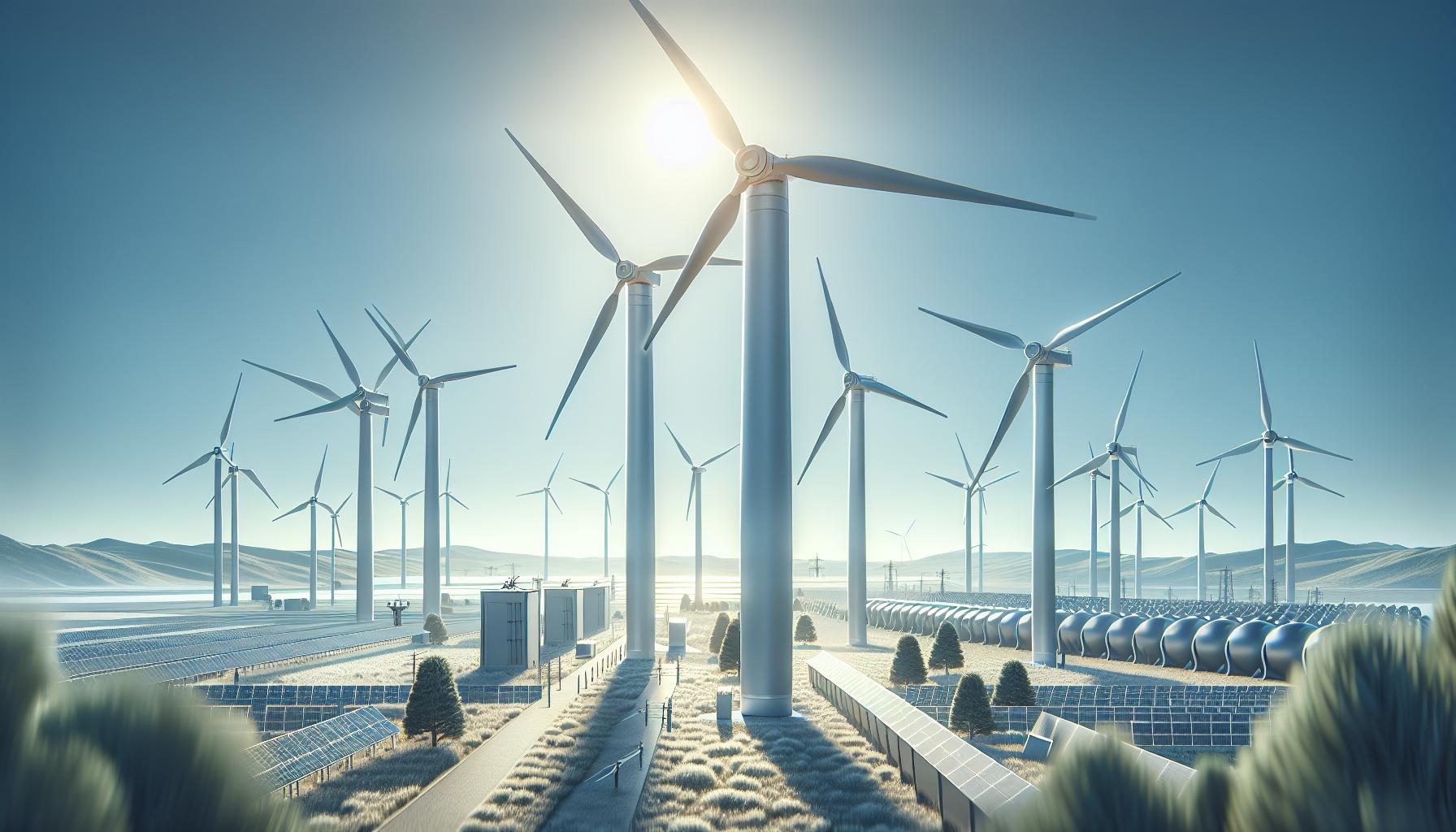
Factors Influencing Wind Turbine Blade Weight
The weight of wind turbine blades is a product of several interrelated factors, each playing a critical role in the design and function of the turbines. As the wind energy sector grows, understanding the complexities behind blade weight becomes essential-not just for manufacturers but for engineers, developers, and policy makers involved in renewable energy projects.
One primary factor influencing blade weight is size. As blades increase in length to harness more wind energy, their mass naturally rises. For example, while a 30-foot blade may weigh around 1,500 pounds, a blade exceeding 100 feet can weigh significantly more-often in the range of 15,000 to 25,000 pounds. This increase, however, comes with engineering challenges: longer blades require robust support structures and heavier bases to ensure stability during operation. Consequently, site selection and logistics play a crucial role in determining whether larger turbines can be effectively deployed.
Another critical aspect is the materials used in blade construction. Traditional materials like fiberglass and carbon fiber composites have been extensively utilized in blade manufacturing. Incorporating these lightweight yet durable materials has allowed for the production of longer blades without a corresponding exponential increase in weight. The evolution of materials science continues to revolutionize the way blades are designed, focusing on reducing weight while maintaining structural integrity. For example, recent advancements in resin technologies and hybrid material compositions have effectively addressed weight concerns while improving performance under varying weather conditions.
The Role of Design and Aerodynamics
Design also plays a pivotal role in influencing the overall weight of wind turbine blades. The aerodynamic shape of a blade is meticulously crafted not only to optimize energy capture but also to minimize drag and resistance. Engineers often employ advanced computational models to simulate airflow and determine the most efficient blade profiles. Each design decision, from the curvature of the blade to its thickness, can impact weight. For instance, blades designed with a larger surface area but optimized shape can achieve better lift-to-weight ratios, leading to lighter but more efficient structures.
Lastly, advancements in manufacturing techniques also contribute to blade weight outcomes. Innovations such as vacuum infusion processes and precise molding techniques create higher quality composites while minimizing material waste, ultimately affecting the blade’s weight. In the quest for sustainable energy solutions, manufacturers are increasingly focusing on not only improving performance but also ensuring that the weight of the blades aligns with broader environmental goals.
By understanding these factors, stakeholders can make informed decisions about turbine design, site selection, and energy production strategy, all critical in advancing the clean energy agenda. As we strive for greater efficiencies in renewable resources, the interplay of size, materials, and design will continue to shape the future of wind power technology.
The Role of Aerodynamics in Blade Design
Wind turbine blades are marvels of engineering, meticulously crafted to harness the power of wind with impressive efficiency. The intricate relationship between aerodynamics and blade design is key to achieving optimal performance. By refining the shape, curvature, and materials of the blades, engineers can create designs that maximize lift while minimizing drag, leading to more effective energy conversion and overall efficiency.
One of the fundamental principles guiding aerodynamics in blade design is the concept of the lift-to-drag ratio. A well-designed blade should generate more lift (the force that propels the blade) than drag (the resistance it faces as it moves through the air). Engineers often model blade shapes using computer simulations to identify forms that enhance this ratio. For instance, modern wind turbine blades often feature tapered designs, where the blade narrows from the base to the tip. This tapering not only optimizes airflow but also reduces turbulence, which can significantly hinder performance.
The use of advanced materials plays a crucial role in supporting aerodynamic designs. Blades made from lightweight materials such as carbon fiber and composites can be constructed in longer and more aerodynamically efficient shapes, enhancing their ability to capitalize on the wind’s energy. For example, the use of spar caps-structural reinforcements that run along the length of the blade-allows for a slender, aerodynamic profile that minimizes weight without compromising stability. This approach enables the blades to withstand higher wind speeds while maintaining their structural integrity.
The transition from theory to practice is evident in real-world applications. Take the case of offshore wind farms, where larger turbines are deployed. The blades used in these installations often exceed 300 feet in length, designed to capture high-altitude winds that are less turbulent. Engineers employ intricate aerodynamic profiles to ensure that these massive blades can generate optimal energy yields while maintaining efficiency. Such designs often undergo rigorous field testing, confirming their performance under various weather conditions and optimizing energy output.
In summary, the integration of aerodynamics into wind turbine blade design is not merely a technical challenge; it’s a cornerstone of effective renewable energy production. As the sector continues to innovate, the ongoing advancements in aerodynamics, materials science, and manufacturing techniques promise to propel wind energy into an even more prominent role in the global energy landscape. By understanding these principles, stakeholders can better appreciate the significance of aerodynamic efficiency in maximizing the potential of wind energy.
Comparative Weight Analysis: Different Turbine Models
Wind turbine blades vary significantly in weight and size, influenced by the design and intended application of the turbine. As the demand for renewable energy continues to grow, understanding the comparative weight of different turbine models becomes essential, especially when considering efficiency and material advancements. For instance, the weight of a blade can range from a modest 5,000 pounds (approximately 2,268 kg) for smaller turbines to an astounding 40,000 pounds (approximately 18,144 kg) for larger, utility-scale turbines, showcasing the diversity in design tailored to harness wind energy in varying environments.
One remarkable example is the GE Haliade-X, one of the largest offshore wind turbines in operation, boasting blades that exceed 260 feet in length. Each blade weighs about 30,000 pounds (approximately 13,607 kg), reflecting its robust engineering designed to withstand the harsh maritime environment while capturing stronger winds at higher altitudes. In comparison, smaller onshore turbines, like the Siemens Gamesa SG 2.1-132, feature blades around 130 feet long, with individual weights around 10,000 pounds (approximately 4,536 kg). This significant difference in weight illustrates how turbine models are optimized not only for functions but also for their respective installations.
Weight Comparison Table
| Turbine Model | Blade Length (feet) | Weight per Blade (pounds) | Application Type |
|---|---|---|---|
| GE Haliade-X | 260 | 30,000 | Offshore |
| Siemens Gamesa SG 2.1-132 | 130 | 10,000 | Onshore |
| Nordex Acciona Delta 4000 | 164 | 16,000 | Onshore |
| Vestas V164 | 262 | 25,000 | Offshore |
Understanding these variations in blade weight not only informs the engineering behind turbine design but also highlights the balance of efficiency and cost in wind energy production. Lighter blades can often lead to reduced material costs and ease of installation; however, they must maintain strength and stability under high wind conditions. In contrast, heavier blades typically perform better in terms of energy capture but may increase shipping and installation costs. Overall, the comparative analysis of blade weights across different turbine models sheds light on the ongoing innovation within the wind energy sector-a promising step toward achieving more sustainable energy solutions for the future.
Impact of Blade Weight on Wind Turbine Efficiency
The weight of wind turbine blades plays a pivotal role in determining the overall efficiency of a wind turbine, influencing not only the energy output but also logistical considerations such as installation and maintenance. Heavier blades tend to capture more energy due to their larger surface area and improved structural integrity, allowing them to withstand higher wind loads. This is particularly crucial in offshore environments where wind speeds can be significantly stronger, as evidenced by the GE Haliade-X. With blades weighing around 30,000 pounds and stretching over 260 feet, this turbine is designed to harness maximum energy efficiency from sustained high winds.
However, the relationship between blade weight and turbine efficiency isn’t straightforward. While heavier blades can enhance energy capture, they also impose greater mechanical stress on the turbine’s components. This leads to increased wear and tear, which can result in more frequent maintenance or even longer downtimes-negatively impacting the total energy output. Lighter blades, while reducing stress on the turbine’s framework, may not provide the same level of energy capture, especially in less windy conditions. Thus, achieving an optimal balance between weight, material costs, and durability is essential for maximizing efficiency.
Factors in Blade Weight Efficiency
- Material Composition: The use of advanced materials like carbon fiber and composite resins can lead to lighter blades without compromising strength, thereby optimizing efficiency.
- Aerodynamic Design: Blade shape and angle are critical; a well-designed aerodynamic profile can enhance lift and reduce drag, allowing for effective energy capture while balancing weight considerations.
- Installation and Logistics: Heavier blades require more robust transportation and installation solutions, which can raise project costs, particularly in remote locations.
- Energy Yield: Ultimately, the goal is to maximize the energy yield relative to investment in materials and construction, thus finding that sweet spot where blade weight complements overall performance.
By carefully analyzing these factors, turbine engineers can devise solutions that enhance the sustainability of wind energy systems. Innovations in blade design, such as modified shapes or new materials, are advancing the field, allowing for the construction of lighter, more efficient turbines capable of generating clean energy for years to come. This delicate dance between engineering, cost, and efficiency signifies a promising future for renewable energy, illuminating the path towards sustainable energy solutions that meet the demands of our planet.
Innovations in Lightweight Materials for Blades
Innovative developments in the materials used for wind turbine blades are revolutionizing the renewable energy industry. The growing demand for more efficient and durable blades has propelled researchers and manufacturers to explore lightweight solutions that maintain structural integrity while reducing energy costs. One fascinating innovation is the adoption of advanced composite materials, which combine the strength of metals with the lightweight properties of plastics, leading to blades that can withstand harsh environmental conditions without bearing unnecessary weight.
A standout example of this trend is the increasing utilization of carbon fiber-reinforced polymers (CFRP) in blade manufacturing. These materials provide exceptional strength-to-weight ratios, enabling blades to be longer and more aerodynamic without the added burden typically associated with heavier materials. The incorporation of CFRP not only enhances the energy capture capabilities of turbines but also contributes to lower transportation and installation costs, especially in challenging terrains. As these materials become more readily available and their production processes more cost-effective, we can expect carbon fiber blades to gain broader acceptance across the industry.
Additionally, innovative processes such as 3D printing are being explored to create complex blade designs that optimize performance while minimizing weight. This technology allows for rapid prototyping, enabling engineers to test new geometries and materials without the lengthy and costly traditional manufacturing process. By producing blades that are tailored to specific wind conditions or turbine models, manufacturers can effectively balance factors such as weight and aerodynamics, driving advances in overall efficiency.
As we look ahead, the integration of bio-based materials also holds promise for the sustainability of wind turbine blades. Using renewable resources, such as biocomposites derived from plant fibers, not only reduces reliance on fossil fuels but also addresses end-of-life disposal challenges. Researchers are currently investigating how these materials can match the performance of traditional composites while providing eco-friendly alternatives that align with the global shift towards greener energy solutions.
In summary, the evolution of lightweight materials for wind turbine blades represents a vital component of enhancing renewable energy systems. By combining advanced engineering principles with sustainable practices, the industry is well-positioned to meet the increasing demand for efficient, effective, and environmentally responsible wind energy solutions.
Environmental Considerations: Recycling Wind Turbine Blades
The increasing adoption of wind energy presents an exciting opportunity to contribute to a cleaner future, but it also raises critical questions about sustainability and waste management. As wind turbine blades continue to grow in size and quantity, so too does the challenge of addressing their end-of-life disposal. Surprisingly, while these blades are engineered for durability and can last for 20 to 25 years, their materials-primarily fiberglass and carbon fiber composites-are not easy to recycle, leading to approximately 85% of discarded blades ending up in landfills.
To tackle this growing issue, several innovative recycling methods are being explored. Mechanical recycling, for instance, involves shredding the blades into smaller particles that can be used as composite reinforcement in new products, such as asphalt or concrete. This method helps divert waste away from landfills while providing a source of raw materials for other industries. Another promising approach is chemical recycling, which breaks down composites into their original chemical constituents, allowing them to be reprocessed into new materials suitable for various applications.
Emerging Technologies and Best Practices
Recent investments in research are leading to the development of more efficient recycling technologies tailored specifically to wind turbine blades. For example, some companies are experimenting with pyrolysis, a thermal decomposition process that could potentially recover valuable fibers and resins from the blades, making it easier to reuse the materials in new wind turbine production or other manufacturing processes. Additionally, collaborations between energy producers and recycling facilities are fostering the creation of dedicated recycling centers that can handle the large volumes of discarded blades more effectively.
To further advance sustainability, manufacturers are increasingly considering end-of-life scenarios during the design phase. By incorporating recyclable materials and designing blades that can be easily disassembled, they can minimize waste and enhance the circular economy within the wind energy sector. An example of this is Siemens Gamesa’s introduction of recyclable turbine blades, which can reportedly be returned to the manufacturing cycle after their operational life, demonstrating a proactive commitment to a sustainable future for renewable energy.
In conclusion, while the challenge of recycling wind turbine blades is significant, innovative solutions are emerging that could revolutionize how the industry manages end-of-life products. By embracing these technologies and best practices, the wind energy sector not only underscores its commitment to sustainability but also paves the way for a greener, circular economy that continues to foster environmental and economic benefits for years to come.
Future Trends: The Evolution of Blade Weight
The evolution of wind turbine blade weight is a captivating aspect of renewable energy technology that has significant implications for performance and sustainability. As the demand for cleaner energy sources grows, manufacturers are pressured to create larger and more efficient turbines, which directly affects the design and construction of their blades. Remarkably, these blades can weigh anywhere from 5,000 to 15,000 pounds (or more), depending on their size and materials. However, the push towards lightweight designs is reshaping industry standards, enabling better performance while effectively addressing environmental concerns.
One of the pioneering trends in wind turbine technology is the incorporation of advanced lightweight materials. Engineers are increasingly turning to materials such as carbon fiber and bio-composites, which not only reduce weight but also enhance durability. These lighter materials provide significant advantages, including reduced fabrication costs and improved energy efficiency, as a lighter blade requires less energy to rotate. For example, if we look at the development achieved by companies like GE Renewable Energy, the latest turbine models feature blades that are about 30% lighter than their predecessors, translating to a significant reduction in strain on the turbine structure and an increase in overall energy output.
Innovation Driving Blade Design
Another critical driver of the evolution in blade weight is the pursuit of aerodynamic efficiency. Engineers are rethinking blade shapes and designs to enhance lift and reduce drag, which allows for lighter structures without compromising strength. Innovations such as variable pitch technology enable blades to adjust their angles based on wind conditions, optimizing performance and minimizing wear and tear. Such advancements not only contribute to reduced weight but also extend the operational lifespan of the turbines themselves.
Moreover, as the industry shifts towards modularity and recyclability, the design process becomes increasingly focused on sustainable practices. Companies are experimenting with designs that simplify the recycling process, such as creating blades that can be disassembled into fewer components, minimizing waste and enhancing resource recovery. This reflects a broader trend towards circular economy principles where the weight of the component is closely tied to its environmental impact throughout its lifecycle.
In summary, the future of wind turbine blades is heading towards lighter, more efficient, and environmentally conscious designs. As technology advances, manufacturers are poised to create blades that not only meet the growing energy demands but also contribute positively to the sustainability goals of the renewable energy sector. By embracing these innovations, we can expect significant improvements in both energy production efficiency and the environmental footprint of wind energy systems.
Economic Considerations: Cost Implications of Blade Weight
The weight of wind turbine blades plays a pivotal role in determining both the manufacturing costs and the operational efficiency of wind energy systems. As blades become longer and more sophisticated, the materials chosen to construct them can vastly influence not only the upfront investment but also the long-term performance and maintenance costs of wind turbines. The economic implications of blade weight cannot be overstated, especially in an industry continuously seeking to balance budget constraints with the need for innovation and sustainability.
First and foremost, using lightweight materials-such as carbon fiber and advanced composites-can significantly impact the initial cost of wind turbine blades. While the upfront expense for these advanced materials is higher compared to traditional fiberglass, the advantages they offer in terms of reduced weight can lead to substantial long-term savings. Lighter blades require less robust (and therefore less expensive) installations, such as less extensive turbine structures and simplified transportation logistics. For instance, when GE Renewable Energy employed these lightweight materials in their latest models, it resulted in a 30% reduction in blade weight, allowing for easier handling and installation, which reduces labor costs and operational interruptions.
Moreover, a critical economic benefit of lighter blades is the improved efficiency they bring to turbine operations. Reduced weight can facilitate better aerodynamics, enabling blades to harness wind energy more effectively and increase the overall energy output of the turbine. Increased efficiency means that wind farms can achieve a lower cost per megawatt-hour (MWh) generated, ultimately improving the return on investment for developers. According to industry data, turbines designed with aerodynamic advancements can lead to energy output increases of 10-20%, which can significantly impact the economics of wind energy projects, especially in competitive energy markets.
Long-Term Savings and Sustainability
In addition to lowered operational costs, there are growing economic incentives linked to sustainable practices in the wind energy sector. As more companies embrace circular economy principles, designing blades with recyclability in mind can offset some initial costs associated with acquiring advanced materials. The potential for reduced waste during retirement adds a layer of economic reliability that can appeal to investors and stakeholders concerned with long-term viability. Some projects have even begun integrating take-back programs for blades, allowing producers to reclaim materials for future use, effectively lowering material costs over time.
In summary, while the initial investment in lightweight materials for wind turbine blades may be significant, the long-term economic benefits are compelling. Enhanced efficiency, reduced installation costs, and the potential for sustainable lifecycle management make these innovations economically attractive. As the renewable energy sector continues to evolve, understanding the financial implications of blade weight will be crucial for energy developers, manufacturers, and investors alike, driving decisions that harmonize profit with ecological responsibility.
Case Studies: Real-World Examples of Wind Turbine Blade Designs
When it comes to the design and construction of wind turbine blades, real-world applications often illustrate the innovations and advancements in materials and technology that drive the industry forward. For instance, the journey of the Haliade-X turbine developed by GE Renewable Energy showcases the transformation in blade design and performance. With blades reaching up to 107 meters in length, the Haliade-X is not only one of the largest offshore wind turbines in operation but also features cutting-edge materials that optimize both weight and strength. Each blade weighs approximately 35 tons, yet the thoughtful engineering behind them allows for an impressive energy output of up to 13 megawatts.
Another compelling example is the LM Wind Power’s Battle 14 turbine blades, which integrate advanced composite materials to achieve a lighter structure without compromising durability. These blades, measuring 63.5 meters long, highlight the industry’s shift towards lighter, high-strength designs. By utilizing a hybrid construction approach that combines fiberglass with carbon materials, LM Wind Power was able to reduce overall blade weight significantly to about 27 tons, enhancing transportability and installation ease.
The Impact of Real-World Innovations
The application of these advancements is not just about reducing weight; it also dramatically influences turbine efficiency. Studies have shown that the aerodynamic design of blades like those used in the Siemens Gamesa SG 14-222 DD turbine can enhance energy capture by as much as 25% compared to earlier models. The SG 14-222 DD’s massive blade size, with weights around 30 tons per blade, is engineered to optimize performance in off-shore environments, where wind conditions can be volatile and unpredictable.
To further understand the implications of blade weight and design, consider the case of the Vestas V164 turbine. Utilizing a weight-optimized blade design, the V164 has a capacity of up to 9.5 megawatts, with blades that weigh roughly 35 tons each. This turbine model has been deployed in several offshore wind farms, and the combination of blade length and weight has proven to be effective in harnessing robust wind conditions, translating into higher power output and lower operational costs.
These case studies demonstrate the critical interplay between design, materials, and economics in the development of wind turbine blades. By pushing the boundaries of innovation within the industry, these companies are not only improving the performance of wind energy systems but are also paving the way for a more sustainable energy future. As advancements continue, the possibilities for enhanced energy generation seem endless, inspiring a commitment to renewable energy that aligns economic viability with environmental stewardship.
Frequently Asked Questions About Wind Turbine Blades
Did you know that the average weight of a wind turbine blade can range significantly depending on the blade’s size and design? While individual blades can weigh anywhere from 10 to over 35 tons, this variation raises many questions about the factors that contribute to weight, aerodynamics, and overall efficiency. Understanding these dynamics can empower homeowners, energy enthusiasts, and engineers alike to appreciate the advancements in renewable energy technology.
One of the most common inquiries about wind turbine blades is, “What materials are used to make them, and how do they affect weight?” Wind turbine blades are typically constructed from advanced composite materials such as fiberglass and carbon fiber. These materials offer a brilliant combination of strength and lightweight characteristics. For instance, blades made from a hybrid of fiberglass and carbon fiber not only reduce weight but also enhance durability, optimizing performance in harsh environmental conditions. For example, the integration of carbon fiber in the LM Wind Power’s Battle 14 turbine blades results in a weight reduction to about 27 tons, which facilitates transportation and installation without sacrificing performance.
Another prevalent question revolves around the correlation between blade weight and turbine efficiency. Lighter blades can significantly improve energy capture-details gathered from industry studies show that optimizing the aerodynamic design can lead to an increase in energy output by up to 25%. For instance, the Siemens Gamesa SG 14-222 DD turbine showcases a remarkable design with its 30-ton blades tailored to perform efficiently in offshore settings, where wind conditions can vary greatly. Thus, understanding the weight of blades not only highlights engineering feats but also informs decisions regarding energy production capacities.
Lastly, as concerns about sustainability grow, many wonder about the lifecycle of these blades, particularly regarding recycling and disposal once they reach the end of their operational life. Currently, it is estimated that about 85% of a wind turbine blade can be recycled, which is a positive step towards reducing landfill impact and promoting a circular economy in renewable energy. Innovations in recycling methods for composite materials are continually evolving, further strengthening the industry’s commitment to environmental responsibility.
In conclusion, an informed awareness of wind turbine blade construction, weight implications, and sustainability aspects can not only help individuals appreciate the complexity behind this technology but also foster enthusiasm for the pivotal role that wind energy plays in a sustainable future.
Frequently asked questions
Q: What is the average weight of a wind turbine blade?
A: The average weight of a wind turbine blade is typically between 10,000 to 15,000 pounds (4,500 to 6,800 kg). However, larger blades, used in advanced wind farms, can weigh up to 20,000 pounds (9,000 kg) or more. Factors such as size, material, and design influence the specific weight.
Q: How long are modern wind turbine blades?
A: Modern wind turbine blades can be as long as 60 to 100 meters (197 to 328 feet). The weight of these blades corresponds to their length, as longer blades require more robust materials, impacting overall wind turbine performance. Learn more about blade engineering in our main article.
Q: Why do wind turbine blades get heavier as technology advances?
A: Wind turbine blades are getting heavier due to advancements in design and materials aimed at improving efficiency and energy capture. Modern blades are often made with stronger composites that allow for longer lengths, enhancing turbine performance but also increasing weight.
Q: What materials are used to construct wind turbine blades?
A: Wind turbine blades are primarily made from composite materials, such as fiberglass and carbon fiber, which provide high strength-to-weight ratios. These materials help to keep the blades lightweight while ensuring durability and resistance to environmental factors like wind and temperature fluctuations.
Q: How does the weight of a wind turbine blade affect its performance?
A: The weight of a wind turbine blade directly impacts performance by influencing the turbine’s rotor speed and energy output. Heavier blades may capture more wind energy but can also require stronger support structures and more powerful turbines to maintain optimal performance.
Q: Do larger wind turbine blades produce more electricity?
A: Yes, larger wind turbine blades generally produce more electricity because they can capture a greater area of wind. As the swept area increases, so does the energy generated, which is vital in meeting renewable energy targets. This is explained further in our analysis on wind energy efficiency.
Q: How are wind turbine blades transported given their size and weight?
A: Transporting wind turbine blades, due to their size and weight, involves specialized logistics. Trucks with extended trailers and escorts are often used, and sometimes blades are transported by sea or rail, depending on the distance and location of the wind farm.
Q: What maintenance is required for wind turbine blades?
A: Wind turbine blades require regular inspections and maintenance to check for wear, damage, or erosion. This upkeep is critical for ensuring optimal performance and longevity. Tireless efforts in maintenance practices can prevent costly repairs and extend the lifecycle of the blades.
Feel free to explore our comprehensive article on wind turbine mechanics for deeper insights into energy innovations.
The Way Forward
Understanding how much a wind turbine blade weighs is just one piece of the puzzle in appreciating the monumental role these structures play in sustainable energy. With weights that can exceed 20 tons, it’s clear that technology and engineering innovation are pivotal in the renewable energy sector. If you’re intrigued by the fascinating intersections of weight, design, and renewable efficacy, check out our articles on “The Environmental Impact of Wind Farms” and “Innovative Materials in Wind Energy” for deeper insights.
Now that you have an informed perspective on wind turbine blades, why not take the next step? Subscribe to our newsletter for the latest trends in renewable energy, and join the movement towards a sustainable future. Feel free to drop your thoughts or questions in the comments below-your input fuels the conversation! Remember, every question brings us closer to understanding the vital role of clean energy. Explore more about how these advancements can pave the way to a greener tomorrow. Your journey doesn’t end here-let’s continue to thrive together in the world of renewable energy solutions!
Get our latest guides, news, and insights highlighted in your Google Search & AI Overviews.