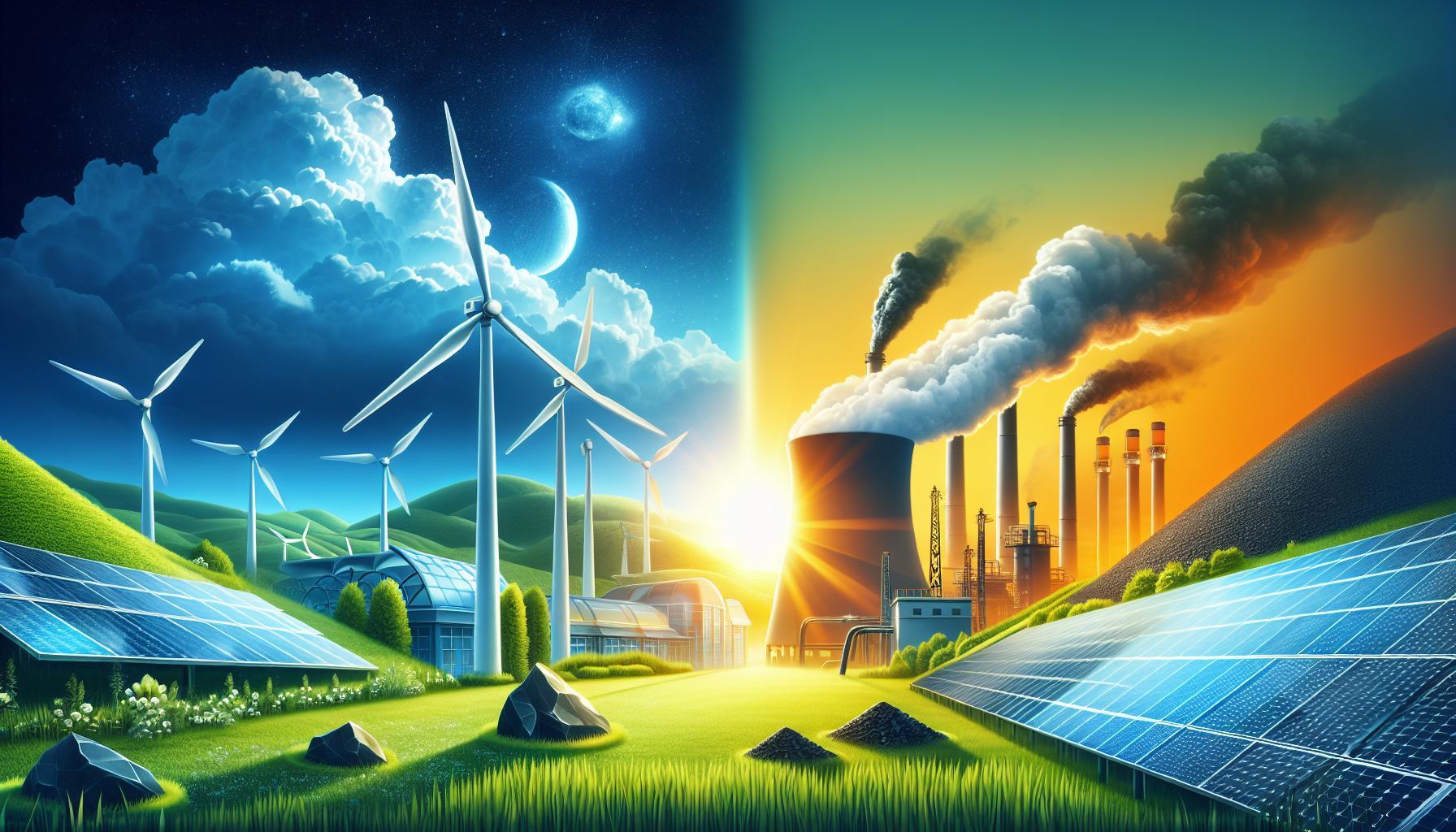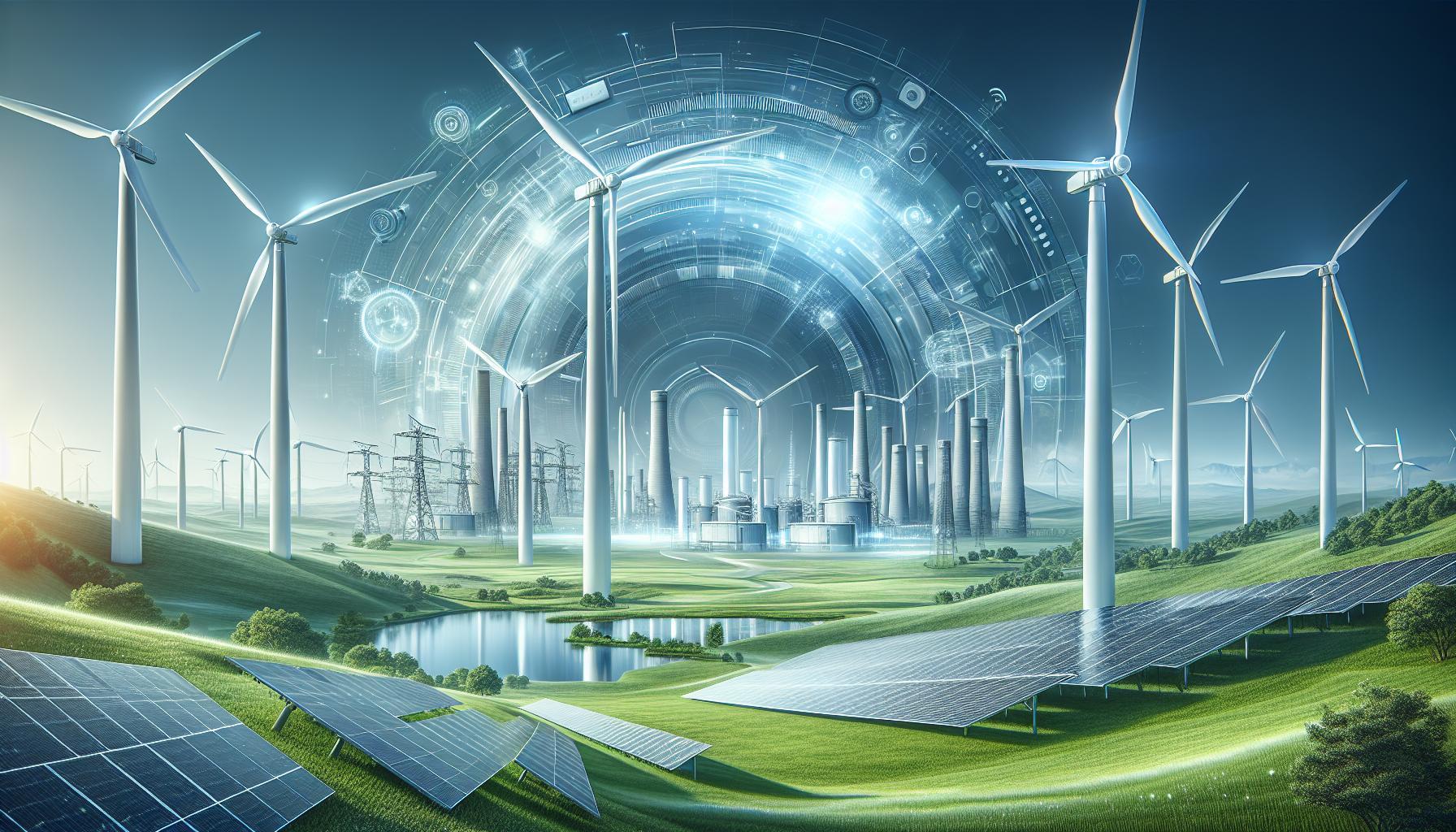

As the world increasingly shifts toward sustainable energy, understanding how renewable resources are harnessed for power becomes essential. Renewable resources, such as solar, wind, and biomass, not only promise to reduce our carbon footprint but also support energy independence and security. With global renewable energy capacity surging by record percentages, the scenarios in which these resources are utilized stretch from powering homes to fueling entire industries.
Consider this: in 2023 alone, renewable energy capacity rose by an astonishing 50%, showcasing the urgency and potential in addressing climate change while meeting growing energy demands. For homeowners, businesses, and policymakers alike, the implications of these energy sources are vast and critical for our collective future. By exploring the varied scenarios in which renewable resources are applied, we can foster a deeper understanding of their role in building a sustainable world. Dive into this exploration and discover how these transformative energies can shape our lives and the environment for generations to come.
Understanding Renewable Resources: An Introduction to Their Use in Energy
The transition to renewable energy is not merely a trend; it represents a profound shift in how we harness power for our daily needs. As the world grapples with the urgent challenges posed by climate change and diminishing fossil fuel reserves, renewable resources such as solar, wind, and hydro power stand out as sustainable solutions. Unlike non-renewable resources, which can run out, renewable resources are replenished naturally and are virtually inexhaustible over human timescales.
Understanding Renewable Resources
Renewable resources encompass a variety of energy sources that can be naturally replenished. This includes solar energy harnessed from sunlight, wind energy generated by the movement of air, hydroelectric power from flowing water, and biomass from organic materials. Each of these sources plays a significant role in the global energy portfolio. For instance, solar energy not only powers residential rooftops but also supports large-scale solar farms that contribute significantly to national grids. Similarly, wind turbines, which can be found from offshore coasts to mountainous terrains, have transformed the energy landscape, making regions less reliant on coal and natural gas.
Key Characteristics of Renewable Energy
To fully appreciate these resources, it’s helpful to identify their key characteristics:
- Replenishable: Renewable energy sources are naturally replenished, meaning they will not deplete over time, as long as they are managed sustainably.
- Low Environmental Impact: Most renewable energy systems produce little to no greenhouse gas emissions during operation, dramatically lessening their environmental footprint compared to fossil fuels.
- Diverse Applications: Renewable resources can be harnessed in various ways, from powering homes to fueling electric vehicles, contributing to a comprehensive energy strategy.
- Technological Innovation: Advances in technology have led to more efficient energy conversion methods, making renewables increasingly viable even in regions with lower natural resource availability.
This understanding lays the groundwork for recognizing different scenarios where renewable resources can effectively be incorporated into energy systems. By tapping into these inexhaustible energy sources, not only do we help mitigate the impacts of climate change, but we also open the door to a more sustainable and economically resilient future.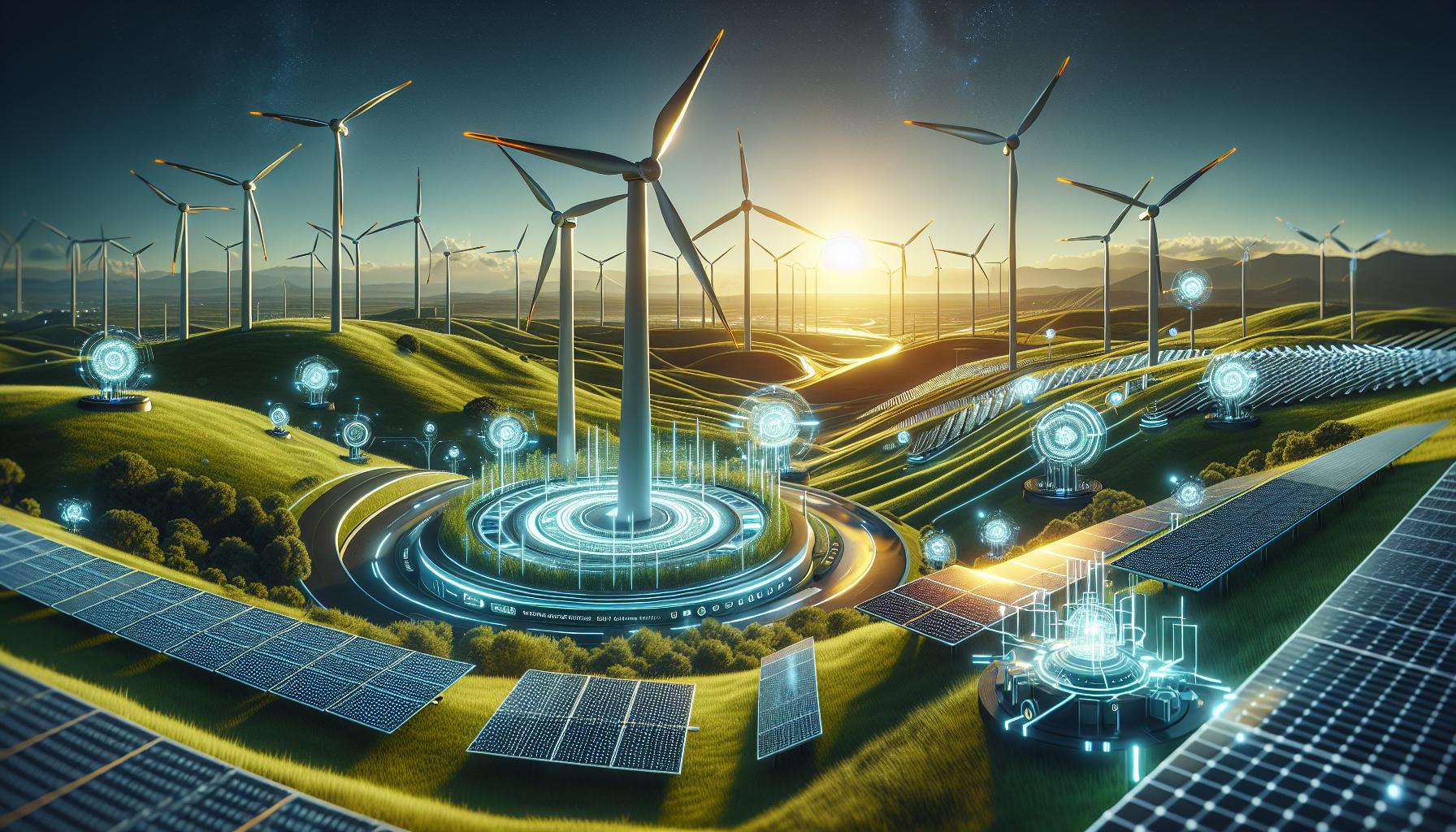
The Economic Benefits of Using Renewable Energy Resources
Transitioning to renewable energy resources is not merely an environmental necessity; it is also a profound economic opportunity that can reshape global markets and improve local economies. For instance, investing in renewable energy can create new jobs, drive technological innovation, and enhance energy independence, all while potentially lowering electricity prices over time. According to various studies, the renewable energy sector has proven to be more labor-intensive than fossil fuels, implying that it generates more jobs per unit of energy produced. This shift could result in growth across multiple sectors including manufacturing, installation, and maintenance, contributing significantly to the economic fabric of communities worldwide.
Job Creation and Economic Growth
The U.S. Bureau of Labor Statistics forecasts that jobs in renewables will grow significantly within the next decade. This includes positions in solar installation and wind turbine technology, which are expected to see growth rates substantially exceeding those in traditional energy sectors. Moreover, as local manufacturing of renewable technology grows, communities can benefit from both direct employment and the creation of supporting jobs in logistics, retail, and service industries. For example, states that have invested heavily in solar and wind technologies, such as California and Texas, have seen substantial job creation that outpaces the national average.
Energy Independence and Cost Stability
Using renewable resources can enhance national energy security by reducing reliance on imported fuels. Countries that invest in domestic renewable technologies are less susceptible to price volatility in the global oil market, which can fluctuate wildly due to geopolitical tensions or supply chain disruptions. Additionally, as the technologies associated with renewable energy, particularly solar and wind, become cheaper to deploy, consumers can benefit from lower energy costs. The levelized cost of electricity (LCOE) for renewables continues to decline, making these resources increasingly competitive with fossil fuels.
- Lower Operation and Maintenance Costs: Once established, renewable energy systems usually require less maintenance and have lower operational costs compared to traditional energy systems.
- Increased Resilience: Distributed renewable energy systems can create a more resilient energy network, which can sustain local economies even during centralized power outages.
The economic benefits of renewable energy resources extend beyond job creation and price stability. They include fostering technological advancements that can lead to further cost reductions, as well as stimulating a dynamic energy market focused on innovation. For homeowners and businesses alike, investing in renewables now means not just participating in a cleaner planet, but also positioning themselves advantageously for future energy landscapes.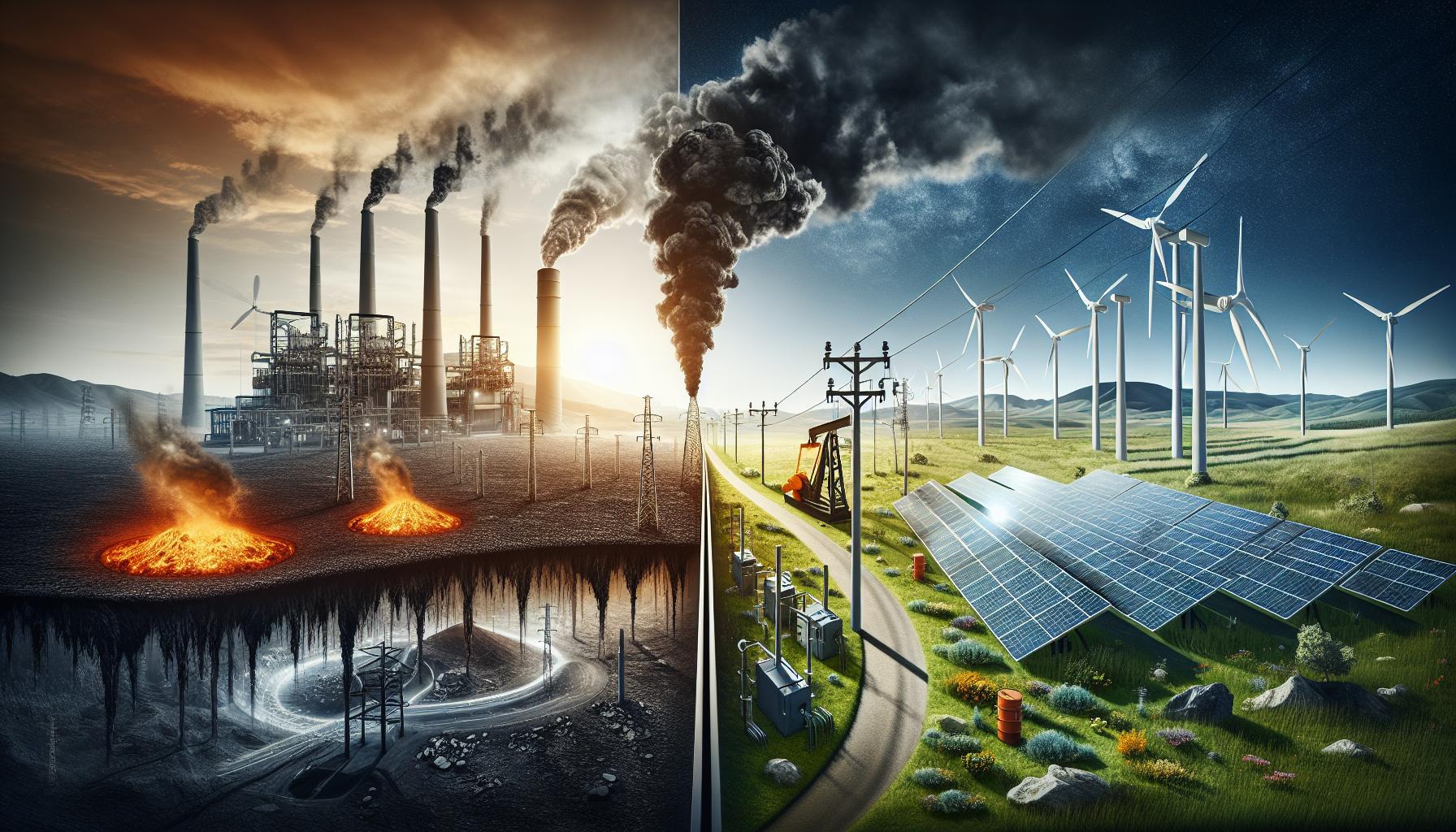
Comparing Renewable Resources to Non-Renewable Ones
The energy landscape is evolving rapidly, with renewable resources now at the forefront of discussions about sustainable energy solutions. Unlike non-renewable resources like coal, oil, and natural gas-which take millions of years to form and are finite in nature-renewable resources such as solar, wind, and hydro are replenished naturally and can be harnessed virtually indefinitely. This fundamental difference is pivotal when evaluating the long-term viability of our energy systems. As we face pressing environmental challenges and strive to mitigate climate change, understanding how these resources stack up against their non-renewable counterparts is essential for informed decision-making.
One of the most significant advantages of renewable sources lies in their environmental impact. The combustion of fossil fuels releases large amounts of carbon dioxide (CO2) and other greenhouse gases, exacerbating global warming and air pollution. In contrast, renewable resources produce little to no emissions during operation. For example, wind turbines generate energy without releasing air pollutants, while solar panels convert sunlight to electricity silently and cleanly. The shift toward renewables is not merely about reducing environmental footprints; it’s also about fostering healthier communities. By choosing renewables, we can significantly improve air quality, reducing respiratory ailments and other health problems associated with pollution from non-renewable energy sources.
Economic Comparison
In terms of economic factors, the costs associated with both energy types reveal a compelling narrative. While initial investments in renewable energy technologies such as solar panels and wind turbines may be high, the overall lifetime costs become favorable when accounting for fuel savings, maintenance, and operation expenses. Non-renewable resources often involve fluctuating fuel prices and market instability, which can burden consumers and businesses alike. In contrast, renewables rely on free and abundant resources-sunlight and wind-leading to predictable pricing structures that can benefit users over time. According to a recent report by the International Renewable Energy Agency, the levelized cost of energy (LCOE) for solar and wind continues to decline, with some projects nearing cost parity with fossil fuel generation.
Energy Security and Dependence
Energy dependency is another critical area of concern. Many countries rely heavily on imported fossil fuels, exposing them to geopolitical risks and volatile markets. By investing in local renewable resources, nations can bolster their energy security while creating jobs in manufacturing, installation, and maintenance of these technologies. Notably, countries like Denmark and Germany have significantly increased their energy independence through wind power investments, demonstrating a model that more states and nations can adopt.
In conclusion, highlights not only the environmental and economic benefits but also the potential for enhanced energy security and community resilience. As we move toward a future powered by sustainable energy solutions, the transition from fossil fuels to renewables will likely dictate the health of our planet and the well-being of future generations. Embracing this change is not just an option; it’s an imperative for a sustainable future.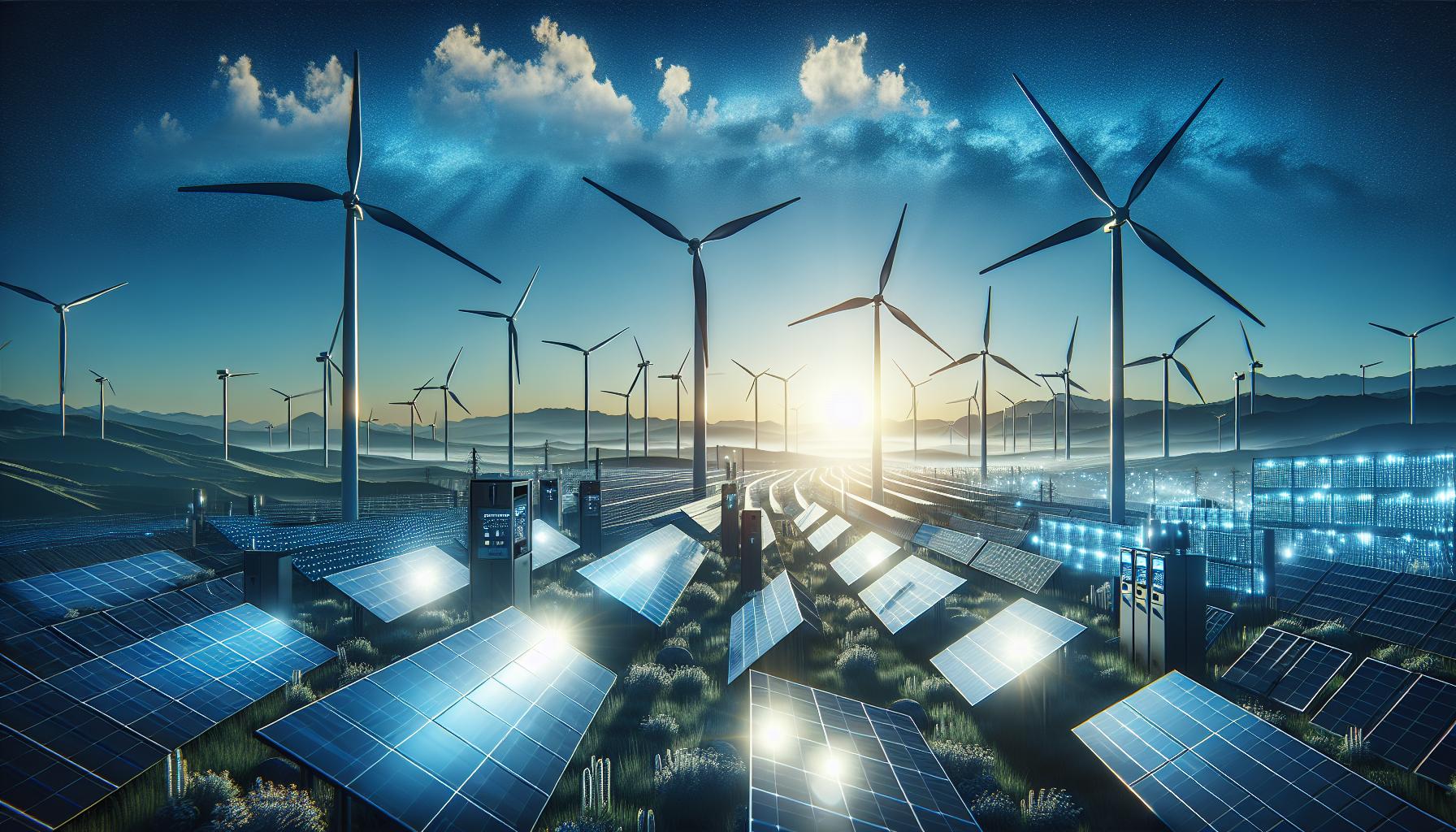
Barriers to Adoption: Challenges in Utilizing Renewable Resources
The transition to renewable energy is not without its challenges, and understanding these barriers can equip stakeholders-whether they be individuals, businesses, or policymakers-with the knowledge needed to navigate the complexities of sustainable energy adoption. One significant obstacle lies in the initial financial investment required for renewable technologies. While prices for solar panels and wind turbines have dropped dramatically in recent years, the upfront costs can still pose a hurdle for many. Government incentives, such as tax credits, rebates, and financing options, can help alleviate this barrier. For instance, homeowners who install solar panels can often access incentives that offset installation costs, making it more accessible for the average consumer.
Another challenge is the integration of renewable energy sources into existing grids. Renewable resources often generate electricity intermittently-solar power is dependent on sunlight, and wind power relies on breeze conditions-which can create fluctuations in energy supply. This variability necessitates the development of advanced energy storage solutions, which can mitigate issues related to supply and demand. Battery technologies, such as lithium-ion and emerging alternatives, are crucial in maintaining grid stability by storing excess energy for later use. Furthermore, enhancing grid infrastructure to support distributed generation is essential. Regions that successfully implement smart grid technologies can better manage the intermittent nature of renewable sources and provide a seamless energy experience for users.
Public Perception and Awareness
Public perception and awareness also play a vital role in adopting renewable resources. Despite the undeniable benefits, misconceptions about renewable technologies can inhibit progress. Some may believe that renewables are less reliable or more expensive than traditional sources. To combat these myths, educational campaigns promoting the advantages of clean energy and showcasing successful case studies can be instrumental. For instance, a community successfully implementing a wind farm can share their experience to inspire others. Additionally, transparency regarding the technology’s performance and environmental benefits can foster trust and motivate individuals to explore renewable options.
Lastly, regulatory frameworks often lag behind innovation, creating bureaucratic hurdles that can impede the deployment of renewable technologies. Streamlining permitting processes and establishing clearer guidelines for renewable energy developers can facilitate faster project approvals. Policymakers must engage with stakeholders, including environmental organizations and industry leaders, to design regulations that promote sustainability while ensuring safety and efficacy. By addressing these barriers collectively through informed policies and community engagement, we can build a robust renewable energy landscape that is resilient, inclusive, and sustainable for future generations.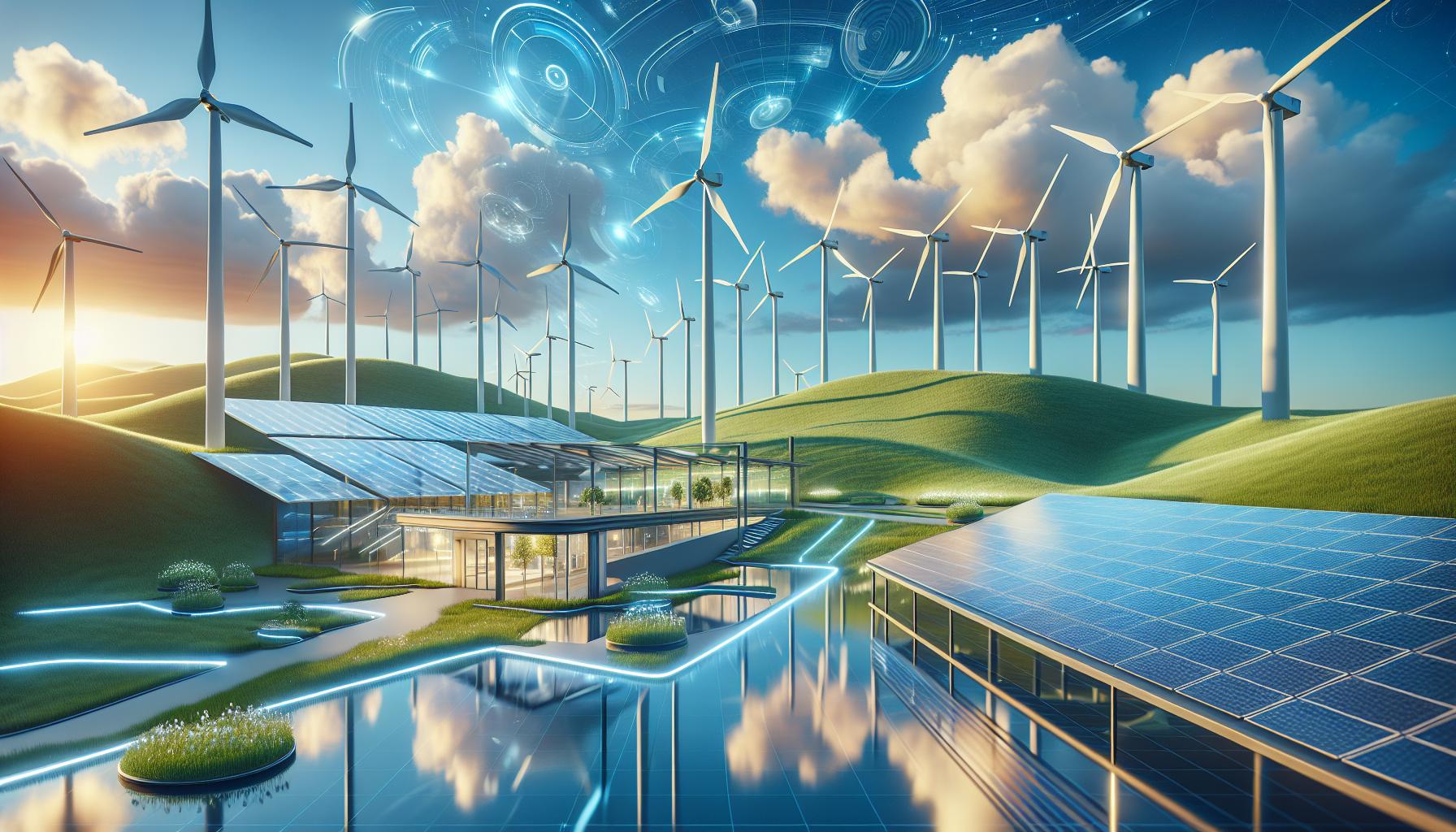
Policy and Community Initiatives Supporting Renewable Resources
The global transition to renewable energy sources is not just an individual or corporate endeavor; it involves significant policy frameworks and community initiatives that propel sustainable development. Governments worldwide are recognizing the urgency of climate action, leading to the implementation of policies that encourage the use of renewable resources like solar, wind, and hydro. For instance, numerous countries have established ambitious goals-such as achieving net-zero emissions by 2050-that are supported by comprehensive legislation fostering clean energy investments. These policies often include Renewable Portfolio Standards (RPS), which mandate utilities to source a certain percentage of their energy from renewable resources, fundamentally reshaping the energy landscape.
Community engagement plays an equally critical role in supporting renewable energy initiatives. Local organizations and municipalities are increasingly empowering residents through renewable energy cooperatives, where citizens collectively invest in renewable projects, such as solar farms or wind turbines. For example, in Germany, the Energiewende (Energy Transition) initiative has successfully integrated communities into the renewable energy conversation, enabling citizens to play active roles in the implementation and management of energy projects. Such collaborative efforts not only promote local investments but also instill a sense of ownership and accountability among residents, fostering a culture of sustainability.
Moreover, public funding significantly enhances these initiatives. Governments often offer tax incentives, grants, and subsidies to lower the financial barriers associated with adopting renewable technologies. For instance, in the United States, the Investment Tax Credit (ITC) allows homeowners to deduct a substantial percentage of the cost of solar energy systems from their federal taxes, effectively lowering the economic hurdle to installation. These incentives are crucial in shifting perceptions about the practicality and affordability of renewable energy, making it more accessible to everyday consumers.
Ultimately, aligning policy with community efforts catalyzes a broader acceptance of renewable resources. Educational programs that inform the public about the benefits of renewable energy, along with successful case studies highlighting local initiatives, create a feedback loop that encourages further adoption. By demystifying technology and promoting transparent success narratives, communities can not only advocate for change but also inspire others to join the green revolution. This collective action underscores the importance of grassroots support in establishing sustainable energy frameworks, propelling us toward a cleaner, more resilient future.
Frequently asked questions
Q: What is a renewable resource used for energy?
A: A renewable resource used for energy includes sources like solar, wind, hydro, biomass, and geothermal energy. These resources can be replenished naturally and are sustainable alternatives to finite fossil fuels, reducing environmental impact and enhancing energy independence.
Q: Which scenario describes wind energy as a renewable resource?
A: A scenario that describes wind energy as a renewable resource involves using wind turbines to convert kinetic energy from wind into electricity. This method harnesses natural wind patterns, making it a clean and sustainable energy option.
Q: How do solar panels generate energy from renewable sources?
A: Solar panels generate energy by converting sunlight into electricity through photovoltaic cells. This process allows homeowners and businesses to utilize solar energy, reducing reliance on traditional power sources and lowering carbon footprints.
Q: Why is biomass considered a renewable energy resource?
A: Biomass is considered renewable because it comes from organic materials, such as plant and animal waste, which can be replenished through sustainable agricultural practices. When processed, biomass can provide a consistent energy supply while managing waste effectively.
Q: What are the benefits of using renewable resources for energy?
A: The benefits of using renewable resources for energy include reduced greenhouse gas emissions, lower dependence on fossil fuels, sustainable energy production, and enhanced energy security. Shifting to renewables helps mitigate climate change and fosters a healthier environment.
Q: Where can I find more information on renewable energy resources?
A: For more information on renewable energy resources, visit reputable websites like the U.S. Department of Energy or the International Renewable Energy Agency. These sites offer extensive resources, statistics, and guidelines on transitioning to renewable energy solutions.
Q: When should I consider switching to renewable energy sources?
A: Consider switching to renewable energy sources when looking to reduce energy bills, increase energy independence, or contribute to environmental sustainability. Initiating the transition can help save money in the long run while supporting clean energy initiatives.
Q: How can I install solar energy systems in my home?
A: To install solar energy systems in your home, start by assessing your energy needs and roof space. Consult with a certified solar installer to customize a system, explore financing options, and take advantage of available tax incentives for renewable energy installations.
The Way Forward
As we explore the potential of renewable resources for energy, it’s clear that sustainable practices can lead to a brighter, cleaner future. By understanding the various scenarios in which these resources are utilized-be it solar, wind, or biomass-you can make informed choices that align with environmentally friendly values. Don’t miss out on the chance to implement these sustainable solutions in your life today!
Ready to dive deeper? Check out our guides on how solar panels work and the benefits of wind energy to enhance your knowledge. Also, subscribe to our newsletter for the latest insights in renewable energy and practical tips tailored for homeowners and businesses alike. Join the movement toward a sustainable energy future-you have the power to make a difference!
Get our latest guides, news, and insights highlighted in your Google Search & AI Overviews.