
As global awareness around climate change escalates, renewable energy has transitioned from a niche interest to a cornerstone of sustainable development. Spanning centuries, the evolution of renewable energy technologies showcases humanity’s resilience and ingenuity in harnessing natural resources. This timeline explores significant milestones in renewable energy’s popularity, revealing how nations are increasingly prioritizing clean energy to combat environmental challenges and drive economic growth.
Many homeowners are now motivated to explore solar panels for their homes, while engineers innovate new wind farm designs. Understanding when and how renewable energy gained traction is not just about history; it’s about envisioning a sustainable future. Join us as we delve into the journey of renewable energy, highlighting critical advancements and the global shift towards a cleaner, renewable-powered world that directly impacts our lives, communities, and the planet.
The Origins of Renewable Energy: A Brief History
The journey of renewable energy is as old as civilization itself, commencing with the insatiable human need for energy. Long before fossil fuels dominated the energy landscape, societies utilized the sun, wind, and water, laying the groundwork for what we now recognize as renewable energy. Ancient civilizations harnessed solar energy; for instance, as early as 20 B.C.E., the Chinese utilized the sun’s warmth for heating and agriculture. Similarly, wind energy was employed by the Greeks through the use of windmills to grind grain, illustrating the very roots of renewable energy use.
With the dawn of the Industrial Revolution in the 18th century, reliance on coal and other fossil fuels surged, leading to a temporary decline in the pursuit of renewable sources. However, this trend began to shift dramatically during the energy crises of the 1970s, which highlighted the vulnerabilities associated with fossil fuel dependence. The soaring oil prices and nationwide energy shortages sparked renewed interest in alternatives. In the United States and across Europe, significant investments began pouring into research and development of solar, wind, and other renewable resources-a pivotal moment that not only revived interest but set the stage for the modern renewable energy movement.
In the decades that followed, the development of technology progressed rapidly, with notable advancements in solar photovoltaic cells and wind turbines making renewable energy more accessible and efficient. As public awareness grew concerning environmental degradation and climate change, renewable energy transitioned from an alternative option to a critical component of sustainable growth strategies worldwide. Thus, the origins of renewable energy are not merely historical footnotes but a testament to human ingenuity and resilience in the face of challenges, with a trajectory that continues to evolve dynamically as we seek solutions to modern energy demands and environmental responsibilities.
Key Milestones in Renewable Energy Development
The path to the widespread adoption of renewable energy has been marked by several pivotal milestones that collectively illustrate humanity’s shift towards sustainability. One of the earliest signs of this shift occurred in the late 19th century when Thomas Edison established the first commercial power station in New York City in 1882. This event not only illuminated homes but also initiated a broader conversation about energy production, setting the foundation for future advancements in different energy sources.
Fast forward to the 1970s, when the world experienced significant oil crises, prompting nations to seek alternatives to fossil fuels. The establishment of the U.S. Department of Energy in 1977 underscored the government’s commitment to developing renewable energy technologies. This era saw the first major investments into research and development for solar, wind, and geothermal energy, leading to the introduction of solar thermal systems for residential heating and the deployment of wind turbines in places like California.
The 1990s brought further momentum through policy changes. Countries like Germany pioneered feed-in tariffs, encouraging private investment in renewable technologies by guaranteeing fixed payments for energy produced from renewable sources. This not only catalyzed growth for the solar and wind sectors but also demonstrated the potential of grassroots movements in driving energy transformation. As prices for solar technology began to decline significantly, the 2000s witnessed an unprecedented boom in solar installations worldwide, positioning solar power as one of the most competitive energy sources by the decade’s end.
Global Expansion and Recognizing Climate Change
The early 21st century marked another significant transition. As nations around the globe recognized the urgent need to address climate change, strategic international agreements such as the Paris Agreement in 2015 propelled clean energy initiatives to the forefront of global policy. In 2020, renewable energy sources accounted for over 29% of global electricity generation. Countries like China and Germany became leaders in solar energy production, while Denmark set records for wind power, generating over 47% of its electrical demand through wind farms.
This timeline reflects a profound change in perception and commitment toward renewable energy, transitioning from niche technologies to central components of national energy strategies. Each milestone not only showcases technological innovation and policy changes but also highlights the critical realization that sustainable energy is essential for future generations. With ongoing advancements and investment, the narrative of renewable energy is still being written, promising a cleaner, more resilient energy landscape for years to come.
In summary, these milestones illustrate a decade-spanning journey born from necessity, innovation, and an unwavering commitment to a sustainable future. The integration of renewable energy into the global energy mix is not just a trend but a pivotal opportunity to reshape the landscape of energy consumption and production.
The Role of Government Policies in Renewable Growth
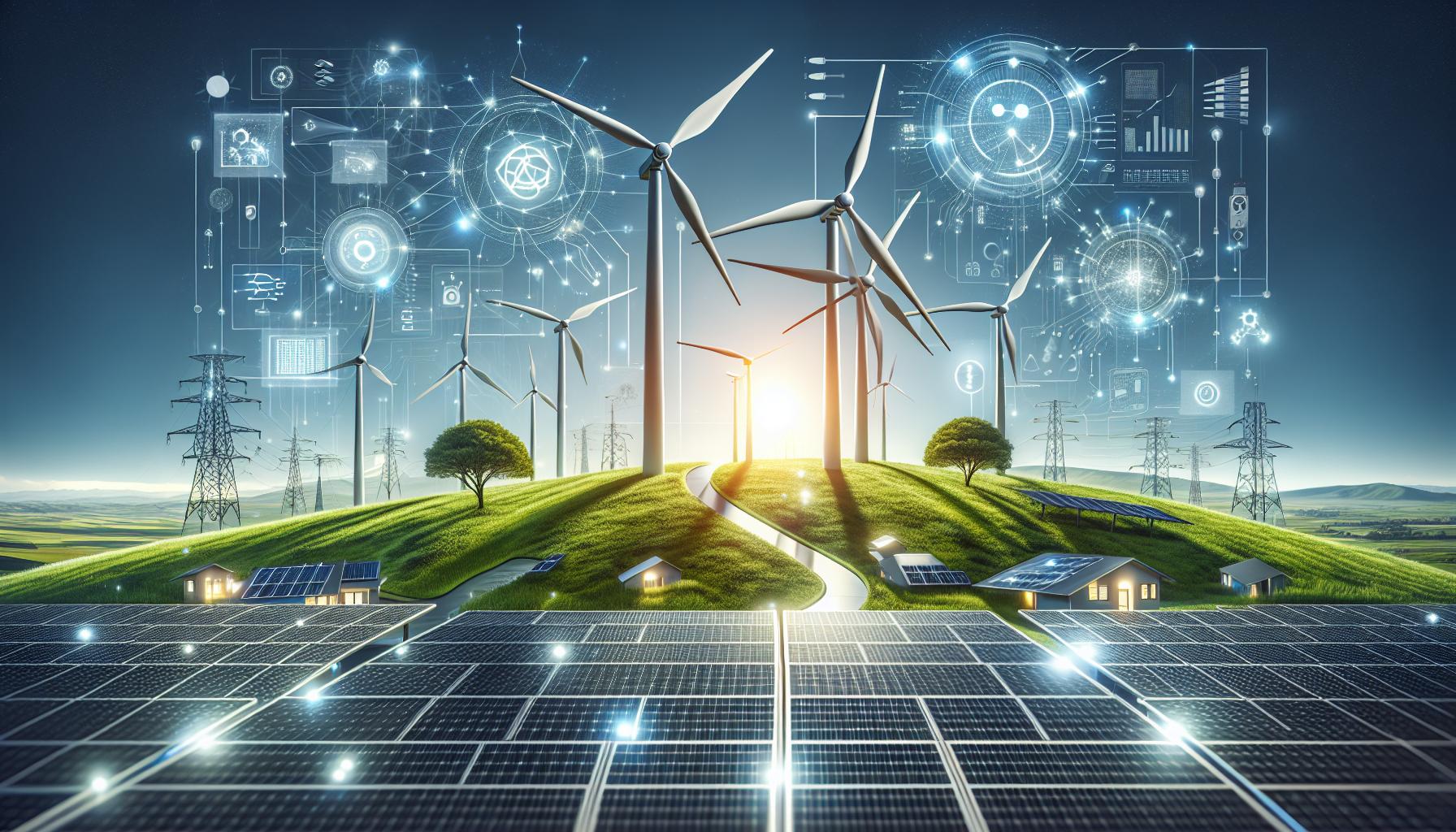
Government policies have been pivotal in accelerating the growth of renewable energy, transforming what was once a niche market into a cornerstone of modern energy strategy. For instance, the introduction of incentives such as tax credits, subsidies, and renewable portfolio standards has played a crucial role in driving investments and innovation. As technologies like solar and wind power mature, these policies have helped level the economic playing field against traditional fossil fuels, making renewable options more accessible and attractive for consumers and businesses alike.
One of the most influential policy mechanisms has been the implementation of feed-in tariffs, which originated in Germany in the 1990s. By guaranteeing fixed payments for energy produced from renewable sources, this approach incentivized private investors to embrace renewable technologies. As a result, Germany experienced an explosive growth in solar energy installations, laying the groundwork for similar policies adopted globally. Today, countries such as Japan and South Korea have implemented their versions of feed-in tariffs, demonstrating the potential of government action to catalyze development in the renewable sector.
Moreover, international agreements have further emphasized the role of policies in renewable energy expansion. The Paris Agreement in 2015 marked a turning point in climate policy, mobilizing nations to commit to sustainable energy practices in the face of climate change threats. Through established targets for emission reductions, countries worldwide have created domestic policies that prioritize renewable energy sources. This has led to remarkable achievements, such as China becoming a leader in renewable energy investments, significantly increasing its solar panel production and wind turbine installations.
Examples of Successful Policies in Action
- Investment Tax Credits (ITC)
- Renewable Energy Certificates (RECs)
- Clean Energy Standards
: In the United States, the ITC has been integral in fostering solar energy growth. It allows homeowners and businesses to deduct a significant percentage of their solar installation costs from their federal tax obligations, making solar more affordable.
: Many states have adopted policies that require utilities to buy renewable energy certificates, ensuring that a certain percentage of their electricity comes from renewable sources. This not only encourages investment in those technologies but also enhances market competition.
: Various countries have enacted laws to mandate a specific share of their energy generation from clean sources by a set date. Australia’s Renewable Energy Target aims to achieve 33,000 GWh of renewable energy generation by 2020, reflecting ambitious nationwide commitments.
The proactive engagement of governments in tailoring effective energy policies not only leads to immediate economic benefits-such as job creation and technological innovation-but also shapes public perceptions and acceptance of renewable energy. As citizen awareness grows and environmental concerns rise, government action continues to be instrumental in steering the global transition to a more sustainable energy future. The alignment of public interest and policy objectives offers a hopeful vision for widespread clean energy adoption, keeping renewable development at the forefront of national agendas worldwide.
Major Technological Advances in Renewable Energy
The rapid growth of renewable energy over the past few decades can be largely attributed to significant technological advancements that have transformed how we harness and utilize natural resources. Innovations in energy generation, storage, and distribution are not just engineering feats; they represent pivotal shifts that have broadened the accessibility and efficiency of renewable options, making them a viable alternative to traditional fossil fuels. This transformative journey has seen solar power, wind energy, energy storage systems, and bioenergy reach unprecedented levels of efficiency and affordability.
One of the most remarkable advancements has been in solar photovoltaic (PV) technology. Early solar panels were expensive and inefficient, typically converting only around 10-15% of sunlight into electricity. Today, however, through breakthroughs such as bifacial solar panels and advances in perovskite materials, efficiency levels can exceed 22%. These innovations are not only improving energy capture but also reducing costs. The cost of solar energy has decreased by over 80% in the last decade, making solar installations an attractive option for homeowners and businesses alike. This dramatic price drop can significantly impact energy bills and stimulate local economies by creating jobs in installation and maintenance.
Wind energy technology has also experienced substantial improvements, especially in turbine design. Modern turbines are much larger and more efficient than their predecessors. The introduction of larger rotor diameters and advanced aerodynamics enables today’s turbines to capture more wind, generating electricity even in low-wind conditions. For example, the capacity of offshore wind farms has surged, with some projects now exceeding 10 megawatts per turbine. This increase in output is crucial in transmitting renewable energy over vast distances and making it a central pillar in global energy strategies.
Energy storage technologies have emerged as game-changers in enabling the reliability of renewable energy sources. Batteries have evolved from conventional lead-acid types to advanced lithium-ion systems, and even cutting-edge solid-state batteries are being developed. These innovations allow for the efficient storage of energy generated during peak production times, enabling users to tap into renewable energy even when the sun isn’t shining or the wind isn’t blowing. For instance, the deployment of large-scale battery storage at renewable energy sites can help stabilize the grid and ensure a continuous energy supply, addressing one of the key challenges of renewable energy-intermittency.
Moreover, advancements in smart grid technology have facilitated better integration of renewable energy into existing infrastructure. Smart grids utilize digital communication technology to detect and react to local changes in usage, enhancing the efficiency of power distribution while accommodating the variable nature of renewable energy sources. This infrastructure allows energy producers and consumers to optimize supply and demand in real time, paving the way for a more resilient and sustainable energy landscape.
As we look towards the future, the continuous evolution of technology will be essential in overcoming barriers to widescale renewable energy adoption. Developing solutions that enhance efficiency, reduce costs, and increase grid resilience will inspire even broader acceptance of renewable sources worldwide. The diverse technological landscape offers an exciting glimpse into a future driven by clean energy, empowering individuals, businesses, and nations to lead the charge towards sustainable energy solutions.
Global Investments in Renewable Energy: A Rising Tide
The global landscape of renewable energy investment has undergone a remarkable transformation over the past two decades. In 2020, worldwide investments in renewable energy technologies surpassed $280 billion, demonstrating an upward trajectory that highlights the increasing commitment of nations, corporations, and individuals to sustainable energy solutions. The shift is not just a trend; it represents a fundamental restructuring of the energy sector in response to climate challenges and the urgent need for clean, reliable power sources.
A significant driver of this rising tide in investments is the dramatic decrease in costs associated with renewable technologies. For example, the cost of solar photovoltaic systems has plummeted by over 80% since 2010, making solar energy more accessible than ever before. This trend is reflected globally, with countries like China leading the way as the largest investor in renewable energy, pouring in more than $83 billion in 2020 alone. The United States and Europe have also made substantial investments, with various initiatives aimed at scaling up renewable installations and transitioning away from fossil fuels.
Key Areas of Investment
Investing in renewable energy encompasses a wide range of technologies and sectors. Some key areas include:
- Solar Power: As one of the most rapidly adopted forms of renewable energy, solar has seen significant investments directed toward technology advancements and infrastructure development. This includes large-scale solar farms and rooftop installations that empower residential and commercial users.
- Wind Energy: With innovations in turbine technology and an increase in offshore wind farm projects, investment in wind energy is consistently rising. Countries like Denmark and Germany have become pioneers in harnessing wind power, making substantial contributions to their energy grids.
- Energy Storage: As the penetration of renewables increases, so does the need for effective energy storage solutions. Investments in battery technology, particularly lithium-ion and emergent solid-state systems, are critical in addressing the intermittency of renewable sources and enhancing grid stability.
- Smart Grid Technologies: Facilitating better integration of renewable sources requires robust infrastructure. Investment in smart grid technologies enhances real-time energy management, optimizing the distribution and consumption of green energy.
As companies and governments allocate more resources to renewable endeavors, they often find novel financing mechanisms that lower barriers to entry. Green bonds, for example, have become a popular way for municipalities and corporations to fund renewable projects, ensuring a commitment to sustainable investments while attracting environmentally-conscious investors.
What’s both exciting and critical about this current climate of investment is the inclusivity of various stakeholders-from large multinational corporations to small businesses and even individual homeowners. By understanding available incentives and choosing to invest in renewable technologies, everyone can contribute to a greener future while potentially reaping economic benefits.
The growing momentum behind global investments in renewable energy highlights a collective realization: transitioning to sustainable power sources is not only essential for mitigating climate change but also presents enormous economic opportunities. As this investment landscape continues to flourish, the world is slowly but surely steering toward a sustainable energy future, equipped with cleaner, more efficient technologies and empowered communities ready for change.
Highlights of Renewable Energy Adoption by Country
Around the world, countries are making remarkable strides in the adoption of renewable energy, each finding unique pathways that reflect their specific circumstances, capabilities, and policy commitments. For instance, countries like Denmark have become global leaders in wind energy, with over 47% of their electricity generated from wind turbines in recent years. This strong commitment to wind energy aligns with Denmark’s ambitious climate goals and showcases the effectiveness of government incentives and robust public support, establishing a model for others to follow.
Conversely, Germany has pioneered the Energiewende, or “energy transition,” aiming to power the nation predominantly with renewables. By 2020, renewables accounted for approximately 50% of Germany’s electricity mix, driven by substantial investments in solar and wind technologies. The country’s feed-in tariff model, which guarantees fixed payments for renewable energy producers, has incentivized both commercial and residential adoption of renewable systems, such as solar panels installed on rooftops.
China stands out as the largest player in renewable energy infrastructure globally. With ambitious goals and significant investments, the country has rolled out vast solar and wind farms, contributing to over 35% of the world’s renewable energy capacity. By actively subsidizing renewable technologies and committing to reducing coal dependency, China showcases a top-down approach that emphasizes large-scale deployment and innovation, securing its position as a dominantly green energy market.
The United States has also seen transformative growth in renewable energy. States like California have implemented forward-thinking policies that mandate increased renewable energy consumption, resulting in California producing over 34% of its electricity from renewable sources in recent years. Along with various state-level incentives, the growth of large-scale solar installations both in California and across the Southwest showcases the practical application of renewable technologies, blending economic viability with environmental benefits.
Each country’s journey illustrates a fundamental truth: the transition to renewable energy is not a one-size-fits-all endeavor. While Denmark and Germany focus on wind and solar respectively, China utilizes its manufacturing prowess for large-scale solar deployment, demonstrating that multifaceted approaches tailored to national strengths can significantly advance global renewable energy adoption. For homeowners and communities looking to partake in this energy revolution, understanding these diverse models can inspire local action and highlight the potential for sustainable energy solutions suited to any context.
As renewable energy adoption continues to expand, it serves as a powerful reminder that collaboration, innovation, and persistence are essential ingredients for a sustainable energy future. The enthusiasm around transitioning to these cleaner alternatives is palpable, and with continued efforts and investments, the vision of a world powered predominantly by renewable energy is becoming increasingly attainable.
The Shift in Public Perception Towards Renewable Energy
In recent years, public perception of renewable energy has undergone a transformative shift, evolving from skepticism and hesitation to broad acceptance and enthusiasm. This remarkable change can be attributed to a confluence of factors, including increased environmental awareness, advancements in technology, and compelling economic arguments. According to a 2022 survey conducted by the Pew Research Center, a staggering 79% of Americans now view solar and wind energy favorably, underscoring a significant rise in public support for these clean energy sources.
Much of this positive perception is rooted in personal experiences and local initiatives. As communities embrace renewable projects like solar farms or wind turbines, residents witness firsthand the benefits that these installations bring-not only in terms of cleaner air and reduced greenhouse gas emissions but also through job creation and local economic stimulation. For instance, California’s commitment to renewable energy has led to the establishment of thousands of jobs within solar and wind industries, fostering a culture of sustainability and innovation that resonates with residents and inspires further investment.
Furthermore, media coverage of climate change and its implications has heightened awareness of the urgent need for cleaner energy solutions. Documentaries such as “Before the Flood” and “Our Planet,” alongside global climate strikes, have catalyzed discussions around the impacts of fossil fuel consumption and the importance of transitioning to renewables. This shift in narrative-spotlighting not just the environmental imperatives but also the attainable benefits of transitioning to renewable energy-has galvanized public support and prompted individuals and communities to advocate for change, demonstrating the power of grassroots movements in shaping energy policies.
Individuals looking to contribute to this shift can engage in several practical ways. Participating in local energy assessments, advocating for community solar programs, or even starting small with residential solar installations are actionable steps that align with growing public support. For homeowners contemplating solar energy, exploring state incentives and financing options can make transitions smoother and more affordable. Moreover, sharing success stories about local renewable projects can further catalyze interest and inspire collective action within communities.
Ultimately, serves as a powerful testament to the changing tides in our global energy landscape. As individuals become increasingly aware of their role in sustainable practices, the broader transition to renewable energy systems appears not only necessary but also attainable, paving the way for a more breathable and sustainable future.
Renewable Energy in the Face of Climate Change
The impact of climate change is increasingly undeniable, with unprecedented weather patterns, melting ice caps, and rising sea levels signaling an urgent need for action. In this critical context, the adoption of renewable energy sources has emerged not only as a response to climate change but also as a vital component of global sustainability strategies. By transitioning from fossil fuels to clean energy, we possess a powerful tool to mitigate greenhouse gas emissions, a significant driver of climate change.
Renewable energy sources-such as solar, wind, hydroelectric, and geothermal-offer significant advantages in the fight against climate change. Unlike fossil fuels that release large amounts of CO2 and other harmful pollutants into the atmosphere, renewables provide a cleaner alternative that can help reduce our carbon footprint. For instance, the International Renewable Energy Agency (IRENA) estimates that doubling the share of renewables in the global energy mix could lead to a 70% reduction in carbon emissions by 2050. This statistic underlines an urgent imperative: the faster we embrace renewable energy, the more effective we will be at combating climate change.
Examples of Renewable Energy’s Impact
Real-world examples provide compelling insights into how renewable energy can significantly influence emission reductions:
- Denmark’s Wind Power Revolution: By investing heavily in wind energy, Denmark has increased its share of wind power to over 40% of the country’s total electricity consumption. This investment has not only lowered emissions but has also led to Denmark becoming a global leader in wind technology, exporting knowledge and equipment worldwide.
- California’s Solar Surge: California, a frontrunner in adopting solar energy, aims for 100% clean electricity by 2045. Through extensive solar projects, the state has dramatically cut emissions, demonstrating how robust incentives can empower residents and businesses to participate in the transition.
- Germany’s Energiewende: Germany’s ambitious energy transition policy, known as Energiewende, has fostered a substantial shift towards renewables. The country has not only reduced its reliance on coal but also positioned itself as a leader in the manufacture and implementation of renewable technologies.
Practical Steps for Individuals and Communities
Individuals and communities can play a crucial role in this transition by pursuing several actionable strategies:
- Advocating for Local Renewable Projects: Engaging with local governments to support policies favoring renewable energy initiatives can lead to the establishment of community solar farms or wind projects.
- Investing in Energy Efficiency: Before transitioning fully to renewables, households can decrease their overall energy consumption by implementing energy-efficient appliances and practices, thereby maximizing the impact of renewable sources.
- Educating Others: Sharing information about the benefits of renewable energy and the risks associated with fossil fuel reliance can inspire neighbors and friends to consider cleaner options.
Renewable energy is not merely an alternative; it is an essential component of a sustainable future. By aligning personal and community actions with the broader objectives of transitioning to clean energy, we have the power to confront climate change head-on. As people become more involved and invested in renewable solutions, the collective momentum will further drive global efforts, creating a future where clean energy is not just a possibility but a reality for everyone.
Challenges Facing Renewable Energy Expansion
The rapid ascent of renewable energy technologies has been a beacon of hope in the global fight against climate change. However, this burgeoning sector faces substantial hurdles that could impede its widespread adoption and integration into the existing energy landscape. The transition to renewable energy is not only a matter of technological advancement but also a complex tapestry of social, economic, and political challenges that must be navigated.
One major roadblock to renewable energy expansion is the intermittency of supply. Unlike fossil fuels, which provide a consistent output, renewable sources, such as wind and solar, are inherently variable. For instance, solar power generation dips during cloudy weather or at night, while wind energy depends on atmospheric conditions. This intermittency creates challenges for grid management and necessitates the development of energy storage solutions. While battery technology is advancing rapidly, it still requires substantial investment and further innovation to meet the demands of a largely renewable-powered grid.
In addition to technical challenges, financial barriers also stymie growth. Despite falling costs associated with renewable technologies, initial capital investments for large-scale projects can be prohibitive. Developing countries, in particular, may struggle to secure the funding needed to establish renewable energy infrastructure. Furthermore, the traditional energy market is often entrenched in subsidies and incentives favoring fossil fuels, making it difficult for renewables to compete on a level playing field. Access to financing models that support clean energy investments, such as power purchase agreements (PPAs) or community solar initiatives, can help mitigate this challenge.
Another critical challenge is the regulatory landscape. In many regions, policies designed to support renewable energy are inconsistent, and changes in government can lead to abrupt shifts in focus. For example, favorable policies for wind power in one administration could be rescinded by the next, leading to uncertainty that discourages long-term investments. Stakeholders, including local governments and private investors, need clarity and commitment in policies promoting renewables to foster growth. Harmonizing regulations across borders can also streamline project implementation and encourage international investment.
Despite these challenges, it’s heartening to note that solutions are being formulated. Many regions are actively investing in grid modernization and smart technologies that enhance energy efficiency and integrate renewable sources more effectively. Countries like Germany and Denmark have set ambitious targets and demonstrated commitment to a sustainable energy future, showcasing that with the right policies, investment, and technology, significant hurdles can be overcome.
By addressing these obstacles, stakeholders can help pave the way for a robust and sustainable renewable energy landscape. As technology continues to evolve, overcoming these challenges is not just possible-it is essential for realizing a future powered by clean, renewable sources. The journey may be fraught with difficulty, but the potential rewards are immense, both for the planet and for the generations that will inhabit it.
The Future of Renewable Energy: Trends to Watch
The rapid evolution of renewable energy technologies hints at an exhilarating future brimming with possibilities. As countries worldwide commit more significantly to sustainability, we are witnessing a paradigm shift. By 2025, the global renewable energy capacity is expected to outpace that of fossil fuels, a testament to the technological advancements and changing attitudes toward clean energy. This remarkable growth signals not just a response to climate change but a broader transition towards a more resilient energy economy.
One trend rising to prominence is the increased deployment of energy storage systems. As the penetration of intermittent sources like wind and solar accelerates, innovative solutions to address their inherent variability are crucial. Technologies such as lithium-ion batteries, pumped hydro storage, and emerging options like flow batteries will play an essential role in ensuring a stable supply of energy. By enabling users to store excess energy generated during peak production times for later use, these systems will support both grid reliability and energy independence.
Decentralization of Energy Production
Another noticeable trend is the decentralization of energy production. Distributed energy resources, such as rooftop solar panels and community wind farms, are empowering consumers to generate their own power. This shift not only enhances energy security but also reduces transmission losses often associated with centralized power generation. For example, in 2020, Germany’s Energiewende policy aimed to decentralize energy, allowing residents to participate actively in energy transition, a model that other countries are beginning to adopt.
The role of government incentives and policies cannot be overstated in shaping the future landscape of renewable energy. As nations align on common climate goals, frameworks like carbon pricing or feed-in tariffs are likely to expand, encouraging investments in clean technologies. This aligns with growing public demand for sustainable practices, pressuring policymakers to prioritize renewable energy initiatives. A significant example is the Biden administration’s commitment to cut greenhouse gas emissions in half by 2030, which includes boosting solar generation and incentivizing electric vehicle adoption.
- Emerging Technologies: Innovations in hydrogen production and carbon capture will further enhance renewable energy’s utility, potentially making it a clean alternative for industries difficult to decarbonize.
- Global Collaboration: As countries reach shared climate goals, international cooperation on renewable technology transfer will amplify the pace of adoption in developing regions.
- Consumer Awareness: Growing awareness around climate issues is encouraging a shift in societal norms, with even large corporations increasingly committing to operational sustainability.
By anticipating these trends, stakeholders-including investors, developers, and consumers-can better position themselves to leverage the numerous opportunities in the expanding renewable energy sector. The interconnection between technology, policy, and public perception presents a fertile ground for innovation, fostering an energy landscape capable of meeting future demands while mitigating environmental impact. Together, these dynamics herald an unprecedented shift toward a sustainable future, where clean energy becomes the norm rather than the exception.
Case Studies: Successful Renewable Energy Projects
One of the most compelling stories in the world of renewable energy is that of the Noor Complex in Morocco, which represents a landmark achievement in solar power. Completed in phases between 2016 and 2020, this ambitious project spans over 3,000 hectares and boasts a capacity of 580 megawatts (MW). Powered by concentrated solar power (CSP) technology, it uses mirrors to focus sunlight onto a central receiver, generating steam to produce electricity. The complex is not just a source of clean energy; it provides power to over a million people and showcases how nations can harness their natural resources effectively, reducing reliance on fossil fuels while augmenting their economic stability.
Another remarkable example is Denmark’s commitment to wind energy, where approximately 47% of its energy consumption was sourced from wind turbines in 2019. The country has set an ambitious goal of producing 70% of its energy from renewable sources by 2030. One standout project is the Hornsea One Offshore Wind Farm, which is the largest in the world, capable of powering over a million homes. Denmark’s success can be attributed to a combination of strong government support, public engagement, and robust technological innovation. The nation’s experience demonstrates that a comprehensive, multi-faceted approach can lead to systematic expansion in renewable energy generation.
Innovation in South America
Brazil offers a remarkable case study with its extensive investment in biomass energy. Utilizing its rich agricultural background, the nation has transformed sugarcane and other organic materials into biofuels. As of 2020, Brazil was the second-largest producer of ethanol globally, largely due to government incentives and a strong automotive sector that promotes flex-fuel vehicles. This integration of renewable fuels enhances not only energy diversification but also strengthens the agricultural economy, providing farmers with additional revenue streams.
- Successful Energy Transition: Countries like Germany are noteworthy for their Energiewende initiative, which radically shifted the country from nuclear power reliance to an immense commitment to renewable sources.
- Community Impact: In the Philippines, the Makati City Solar Rooftop Project has enabled local businesses and residential buildings to utilize solar panels, highlighting the importance of energy decentralization.
Beyond individual projects, these case studies collectively illustrate the multifaceted nature of renewable energy adoption. They provide valuable lessons on the critical role of government policies, technological innovation, and community involvement in fostering a sustainable transition. By exploring these successful examples, stakeholders can identify best practices, adapt strategies, and ultimately contribute to the global shift towards clean energy solutions that are both viable and necessary in the face of climate change.
Q&A
Q: When did renewable energy first become popular globally?
A: Renewable energy began gaining popularity in the late 20th century, particularly during the 1970s oil crises. Awareness of energy security, environmental concerns, and technological advancements led to increased investments in solar, wind, and hydroelectric power, paving the way for a sustainable energy future.
Q: What are key milestones in the timeline of renewable energy growth?
A: Key milestones include the creation of the Energy Policy Act in the U.S. in 1992, the establishment of the Kyoto Protocol in 1997, and the rapid growth of solar and wind energy during the 2000s. These events marked significant shifts towards adopting cleaner energy sources globally, significantly influencing policies and investments.
Q: Why did renewable energy become popular in the 21st century?
A: The 21st century saw a surge in renewable energy popularity due to climate change alarms, advancements in technology, and declining costs of solar and wind energy. Governments and businesses increasingly recognized renewables as viable solutions for reducing carbon footprints and meeting energy demands sustainably.
Q: How does public perception influence the popularity of renewable energy?
A: Public perception plays a crucial role in renewable energy’s popularity. Increased awareness of climate change impacts, alongside successful advocacy and environmental education, drives demand for clean energy sources. Engaging communities through campaigns can further enhance support for renewable energy initiatives.
Q: What are the most popular types of renewable energy today?
A: Today, the most popular types of renewable energy include solar, wind, hydroelectric, biomass, and geothermal energy. Solar energy leads in adoption, particularly in residential installations, due to its decreasing costs and versatility. Experience deeper insights on each type in our full article.
Q: How have government policies impacted renewable energy growth?
A: Government policies, including subsidies, tax credits, and renewable energy mandates, have significantly accelerated the growth of renewable energy. These initiatives lower financial barriers and provide incentives for businesses and homeowners to adopt cleaner technologies, fostering a more sustainable energy landscape.
Q: When did wind energy become widely used?
A: Wind energy began to gain traction in the 1980s, with significant advancements occurring in the 1990s and 2000s. The construction of large-scale wind farms and improvements in turbine efficiency have made wind energy one of the fastest-growing renewable sources globally.
Q: Where are the leading countries in renewable energy adoption?
A: Leading countries in renewable energy adoption include China, the United States, Germany, and India. China, in particular, is the largest producer of solar panels and wind turbines, significantly impacting global renewable energy markets. For detailed country-by-country comparisons, refer to our full timeline section.
These answers not only clarify users’ questions on renewable energy’s rise but also connect them to further information, promoting a deeper understanding of this critical topic. Explore more about the growth of renewable energy and its global impact in our comprehensive article.
Wrapping Up
As we’ve explored, the journey of renewable energy’s rise in popularity is both inspiring and critical to our global future. Understanding this timeline not only highlights the achievements we’ve made but also the urgent need for continued action in the face of climate challenges. If you’re curious about how renewable energy can fit into your life, consider reading our articles on “Top Solar Energy Tips for Homeowners” and “The Future of Wind Energy: Innovations to Watch.”
Don’t miss out on staying informed-subscribe to our newsletter for the latest trends and innovations in clean energy, and be part of the movement toward sustainability. Your involvement is vital! Have questions or insights? We invite you to share your thoughts in the comments section below. Together, we can further the dialogue on renewable energy’s impact and what steps each of us can take in this vital transition. Explore more, stay engaged, and let’s shape a cleaner, greener planet.
Get our latest guides, news, and insights highlighted in your Google Search & AI Overviews.