
Did you know that nearly 80% of the world’s energy still comes from fossil fuels, leaving us vulnerable to their environmental impact and price volatility? As the global conversation shifts towards sustainability, understanding renewable energy sources becomes crucial for informed decision-making.
In this context, it’s essential to distinguish between what genuinely qualifies as renewable energy and what doesn’t. While solar, wind, and hydro power are championed as clean alternatives, not all energy sources share the same benefits or implications for our planet.
Join us on this enlightening journey to discover which energy sources are truly renewable and why this knowledge matters for our collective future. By engaging with this topic, you’re taking a step towards informed choices that can foster a more sustainable lifestyle and contribute to a healthier environment. Let’s dive in and find out which of the following is not a renewable energy source!
Identifying Renewable Energy Sources: An Overview
In the quest for sustainable energy solutions, understanding renewable energy sources is paramount. These sources not only address the pressing need for cleaner alternatives but also offer a pathway to reducing greenhouse gas emissions and combating climate change. Renewable energy comes from natural processes that are replenished at a faster rate than they are consumed, making them a viable option for the long-term health of our planet. While there are numerous renewable sources, it is crucial to discern which of these stand out as the most promising for future energy needs.
Types of Renewable Energy Sources
Renewable energy is primarily derived from the following key sources:
- Solar Energy: Harnessing sunlight through solar panels converts sunlight directly into electricity. This technology has seen immense growth, particularly in residential settings, allowing homeowners to significantly reduce their energy bills.
- Wind Energy: Through the use of turbines, wind energy captures the kinetic energy of moving air. Wind farms, whether onshore or offshore, are becoming essential contributors to the energy grid in many countries.
- Hydropower: This method utilizes flowing water to generate energy, typically via dams. While it is one of the oldest forms of renewable energy, its implementation requires careful ecological considerations to maintain river health.
- Biomass: Organic materials, such as wood, agricultural crops, or waste, are converted into energy through combustion or fermentation. This can help in recycling waste while providing a renewable energy source.
- Geothermal Energy: By tapping into the Earth’s internal heat, geothermal energy provides a continuous power source. This technology is particularly effective in regions with volcanic activity.
Each of these sources has its unique benefits and applications, making renewable energy versatile and adaptive to different environmental contexts.
Real-World Applications
In cities across the globe, the integration of renewable energy is becoming increasingly common. For instance, Amsterdam’s extensive use of wind turbines and solar panels on rooftops significantly reduces its carbon footprint. Meanwhile, countries like Denmark lead the way in wind power, supplying more than 40% of their electricity from this sustainable source. These examples illustrate that transitioning to renewable energy is not only feasible but also beneficial for reducing dependency on fossil fuels.
As we delve deeper into the renewable energy landscape, it’s essential for individuals, businesses, and policymakers to recognize the importance of these sources. Each choice made today can pave the way for a greener, more sustainable future. By identifying and investing in renewable energy technologies, we can all play a part in ensuring a healthy planet for generations to come.
The Differences Between Renewable and Non-Renewable Energy
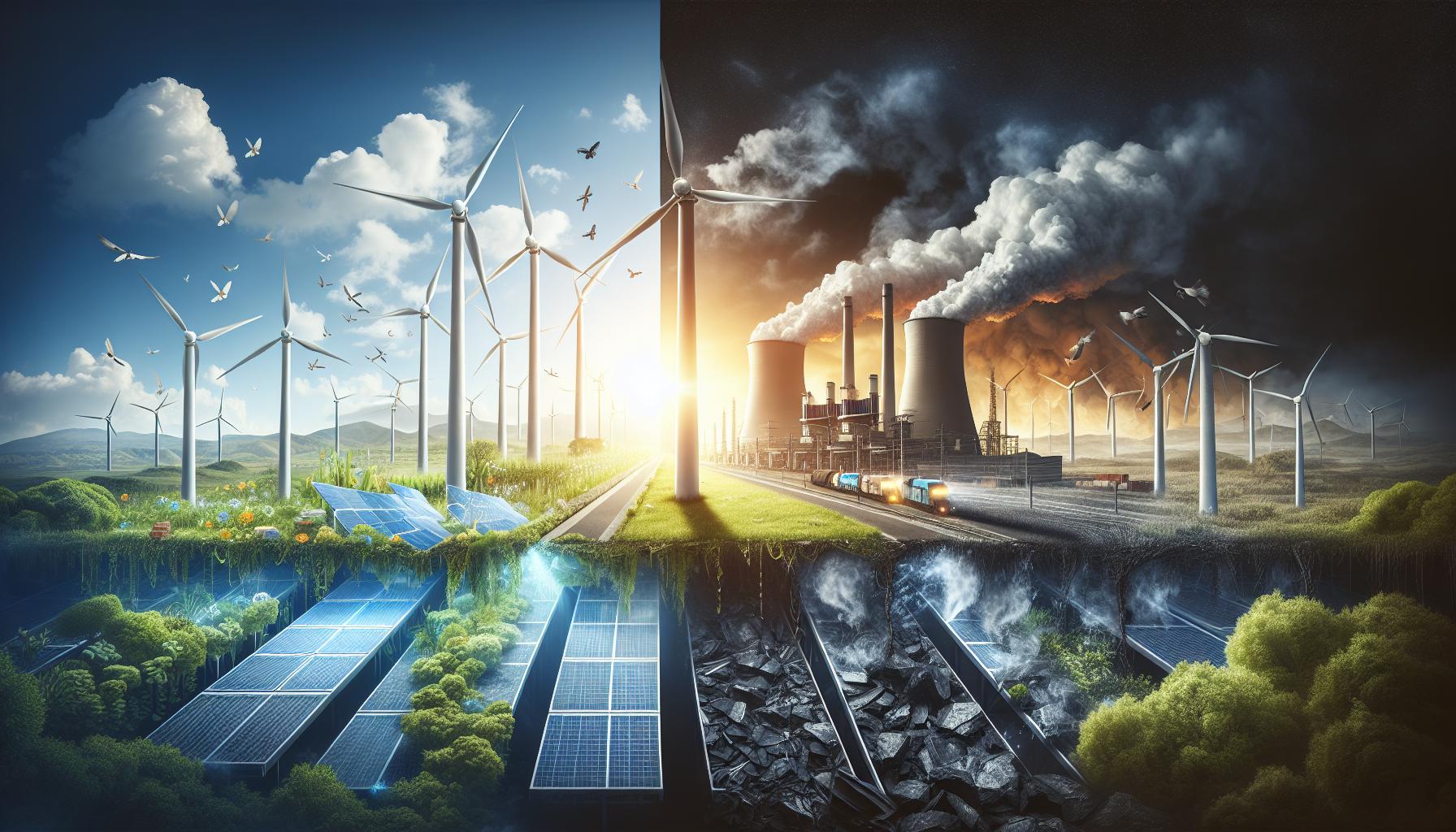
When discussing energy sources, it’s crucial to distinguish between renewable and non-renewable types, as this distinction underlies our approaches to sustainability and energy consumption. Renewable energy sources are those that can be replenished naturally and are sustainable over the long term without depleting the Earth’s resources. In contrast, non-renewable energy sources, such as fossil fuels, coal, and natural gas, are finite and will eventually run out, making our reliance on them unsustainable.
One of the most significant differences between these two categories is their environmental impact. Renewable energy not only reduces greenhouse gas emissions but also minimizes air and water pollution. For example, solar and wind energy generate power without the harmful byproducts associated with burning fossil fuels. Conversely, the extraction and burning of non-renewable resources release vast amounts of carbon dioxide and other pollutants into the atmosphere, contributing significantly to climate change.
Here’s a closer look at the key differences:
| Criteria | Renewable Energy | Non-Renewable Energy |
|---|---|---|
| Source replenishment | Constantly replenished through natural processes | Limited resources; can be depleted |
| Environmental impact | Low emissions; sustainable | High emissions; harmful to environment |
| Energy security | Low risk of price volatility | Subject to market fluctuations |
| Long-term availability | Essentially inexhaustible | Finite and diminishing |
Transitioning to renewable energy is not just about embracing new technologies; it’s also about fostering a mindset geared toward sustainability. Countries like Germany and Spain showcase how a commitment to renewable energy can lead to energy independence and economic stability, often showing that integrating renewables creates job opportunities and stimulates local economies.
In an era where climate change looms large, understanding these differences helps individuals, businesses, and governments make informed decisions that align with long-term sustainability goals. By choosing renewable energy solutions, we can collectively move away from dependency on non-renewable sources and toward a cleaner, more sustainable energy future. The evolution of energy technology indicates that the future is bright for renewables-investing in them today ensures a healthier planet for generations to come.
Common Renewable Energy Sources Explained
When considering energy sources, it’s fascinating to note that the sun, wind, and water supply nearly all the power we need for various applications. Renewable energy sources harness the natural forces around us, allowing for energy generation that is sustainable and, crucially, less harmful to the planet. Understanding the common renewable energy types not only empowers individuals to make informed decisions but also inspires collective action for a cleaner future.
Solar Energy
Solar energy is one of the most accessible renewable sources. It captures sunlight, converting it into electricity through photovoltaic cells. This technology has evolved significantly, with innovations leading to more efficient solar panels and the increasingly popular practice of integrating solar roofs into residential and commercial buildings. For homeowners, investing in solar can lead to significant savings on energy bills while reducing carbon footprints. According to a report, the average solar panel can offset approximately 100 tons of carbon dioxide over its lifetime-equivalent to planting over 2,500 trees.
Wind Energy
Wind energy utilizes the kinetic energy of moving air through wind turbines to generate electricity. As one of the fastest-growing energy sources worldwide, wind power represents a giant leap towards sustainable energy production. Countries like Denmark generate nearly 50% of their electricity from wind! For communities near wind farms, the benefits extend beyond clean energy; wind projects often create jobs and improve local economies while fostering technological advancements in energy efficiency.
Hydropower
Hydropower is another significant renewable energy source that accounts for the largest share of all renewable electricity globally. By harnessing the energy from flowing water, typically from rivers or dams, hydropower generates consistent and reliable energy. It can play a vital role in stabilizing grid supplies during periods of high demand. However, while hydropower is a formidable energy solution, it’s important to manage its environmental impact carefully, as projects can disrupt local ecosystems.
Geothermal and Biomass Energy
Geothermal energy taps into the Earth’s internal heat, providing a consistent source of energy ideal for heating and electricity generation. By harnessing steam from underground reservoirs, geothermal plants can operate around the clock, offering a reliable energy source that mitigates fluctuations common in solar and wind. On the other hand, biomass energy, derived from organic materials like wood or agricultural waste, can help reduce waste output while providing a renewable source of heat and energy. This method, when managed sustainably, maintains the carbon cycle by utilizing materials that would otherwise release greenhouse gases through decomposition.
Ultimately, each renewable energy source offers unique benefits and can play a pivotal role in achieving a sustainable future. Transitioning to these alternatives requires informed choices and a commitment to advocacy on behalf of cleaner energy solutions. Collectively, we can harness the power of nature to promote energy independence and a thriving planet.
Why Some Energy Sources Are Not Renewable
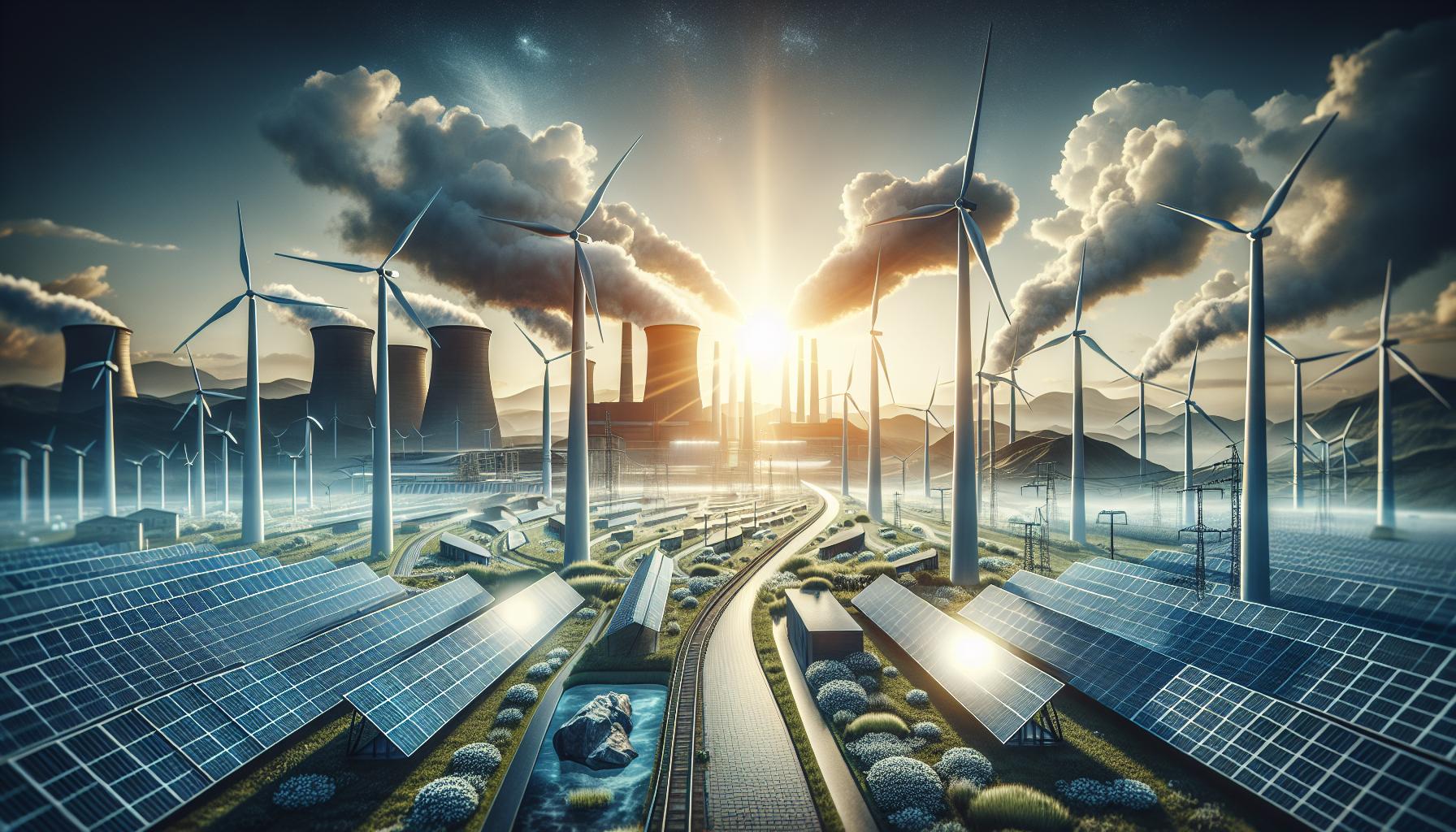
Energy systems can be broadly categorized into renewable and non-renewable sources. While renewable energy sources like solar, wind, and hydropower harness natural processes that replenish themselves, non-renewable energy sources, such as fossil fuels and nuclear energy, present significant challenges regarding sustainability and environmental impact. Fossil fuels, including coal, oil, and natural gas, are derived from ancient organic matter and are finite resources; their depletion is inevitable as extraction and consumption continue. This fact alone positions them outside the realm of renewable energy.
One of the most pressing concerns about non-renewable energy sources is the environmental damage they inflict. Burning fossil fuels releases significant quantities of carbon dioxide (CO2) and other greenhouse gases, contributing to climate change and air pollution. For instance, coal-fired power plants, which remain in operation in many parts of the world, are among the largest single sources of CO2 emissions. Furthermore, the extraction processes for these resources-such as drilling, mining, and fracking-often result in habitat destruction, oil spills, and water contamination. These detrimental impacts create a compelling case for a transition to cleaner, renewable alternatives that do not compromise the planet’s ecosystems.
In contrast, nuclear energy, while not a fossil fuel, also falls into the non-renewable category due to the finite nature of uranium and the environmental hazards associated with nuclear waste disposal. Nuclear plants generate large amounts of energy with low direct carbon emissions. However, the long-term storage and potential for catastrophic failures, highlighted by disasters like Fukushima and Chernobyl, underscore the vulnerabilities of relying on nuclear energy. The challenge remains in balancing energy needs with health and safety concerns.
By understanding why certain energy sources are classified as non-renewable, individuals and communities can make informed decisions that not only support sustainable energy use but also drive policy and technological advances toward cleaner, more sustainable energy solutions. Engaging with renewables not only fosters energy independence but also plays an essential role in mitigating the ongoing climate crisis.
Key Differences Between Renewable and Non-Renewable Energy Sources
| Feature | Renewable Energy | Non-Renewable Energy |
|---|---|---|
| Sustainability | Constantly replenished from natural sources | Finite resources with a limited supply |
| Environmental Impact | Low to none in terms of emissions (solar, wind) Ecological concerns in some cases (hydropower) | High levels of greenhouse gas emissions Pollution and ecosystem degradation |
| waste management | Minimal waste Recyclable materials (solar panels) | Significant waste production (nuclear waste) Requires long-term disposal solutions |
In conclusion, recognizing the inherent limitations and consequences of non-renewable energy sources helps pave the way for a more sustainable future. Transitioning to renewable alternatives will not only mitigate environmental damage but also encourage innovation and growth in clean energy technologies. By supporting these transitions, we can ensure a viable, thriving planet for generations to come.
The Importance of Renewable Energy for Sustainability
The shift towards renewable energy sources is not just a trend-it’s a fundamental necessity for achieving sustainability on our planet. As global temperatures rise and fossil fuel reserves dwindle, the urgency to adopt clean, renewable alternatives becomes increasingly clear. By harnessing the power of the sun, wind, and water, we can dramatically reduce our carbon footprint, minimize environmental degradation, and secure a stable energy future.
One of the key aspects of renewable energy is its potential to create a sustainable power economy. Unlike non-renewable sources, which depend on finite reserves, renewable energy harnesses natural processes that are constantly replenished. For example, solar panels convert sunlight into electricity without depleting any resource or emitting harmful pollutants. Wind turbines capture the kinetic energy of wind, generating power without the emissions associated with burning fossil fuels. This transition to energy systems that can regenerate themselves is crucial in mitigating climate change and fostering a healthy planet.
Moreover, renewable energy plays a vital role in energy independence and resilience. Countries that invest in renewable technologies can reduce their dependence on imported fossil fuels, thereby enhancing their energy security. Economic and political instability in one part of the world can disrupt oil supply chains, leading to price volatility and energy shortages. By diversifying energy sources through renewables, nations can shield their economies from such risks, fostering a more stable and self-sufficient energy landscape.
Impact on Job Creation and Economic Growth
The proliferation of renewable energy technologies also has significant implications for job creation and economic growth. The International Renewable Energy Agency (IRENA) reported that the renewable energy sector has invested billions of dollars in new projects, resulting in millions of jobs worldwide. For instance, solar and wind industries alone have created opportunities for engineers, technicians, and installers, driving local economies and bolstering communities. The growth of these sectors not only fulfills energy needs but also cultivates a skilled workforce prepared for the future.
In addition, sustainable energy practices drive innovation across various sectors, from manufacturing to transportation. Embracing renewables inspires technological advancements, such as improved battery storage solutions and smart grid technologies, enhancing the efficiency of energy use across the board.
The Call for Action
Transitioning to renewable energy is more than a technicality; it’s a call for collective action. Policymakers, businesses, and individuals must support this transition by prioritizing investments in renewable technologies and advocating for relevant government policies. Adopting sustainable practices-such as residential solar installations or corporate commitments to renewable energy sourcing-can have profound effects at both local and global levels.
In conclusion, the importance of renewable energy in achieving sustainability cannot be overstated. This shift not only offers pathways to mitigate climate change and protect natural resources, but also galvanizes economic growth and fosters energy independence. As we embrace renewable technologies, we open doors to a more sustainable, resilient, and prosperous future for ourselves and generations to come.
Debunking Myths: Misconceptions About Energy Sources
The discussion around renewable energy often gets tangled up with misconceptions and myths, leading to confusion for homeowners, businesses, and policymakers alike. One prevalent myth is the belief that all energy sources labeled as “renewable” are inherently clean and sustainable. For instance, while hydropower is widely recognized for its ability to generate electricity without emitting greenhouse gases, it can also lead to significant ecological disruptions in aquatic ecosystems. Understanding the true nature of various energy sources can help dispel these misconceptions, enabling more informed decisions regarding energy use.
Top Misconceptions About Energy Sources
- Myth: All Biomass Energy is Sustainable – Many assume that biomass, derived from organic materials, is a green energy solution. However, large-scale biomass production can lead to deforestation and habitat loss. When dealing with biomass, it’s vital to consider the source and sustainability of the practices involved in its production.
- Myth: Solar Panels are Ineffective in Cloudy Weather – A common concern for potential solar adopters is the belief that solar panels cannot generate sufficient energy under overcast conditions. In reality, solar technology can capture indirect sunlight, enabling panels to produce energy even on cloudy days-albeit at reduced efficiency compared to sunny weather.
- Myth: Wind Turbines are Harmful to Wildlife – While it’s true that wind farms can impact local wildlife, particularly birds and bats, advances in technology and siting strategies are significantly reducing these impacts. In many cases, the carbon savings and environmental benefits of wind energy far outweigh the localized effects on wildlife.
- Myth: Renewable Energy is Too Expensive – There’s a perception that renewable energy sources, such as solar and wind, are prohibitively expensive. However, costs have plummeted in recent years. In many regions, renewables are already the most economical sources of new energy generation. Government incentives and tax credits further enhance affordability for homeowners and businesses.
Turning Myths into Motivation
Understanding these myths is crucial, as they can deter transitions to greener energy solutions. Debunking misconceptions can empower individuals to advocate for and adopt renewable technologies in their homes and workplaces. For example, recognizing the efficiency of solar panels even in less-than-ideal conditions might inspire a family to pursue solar installations, leading to significant savings and a smaller carbon footprint.
Moreover, addressing these misconceptions opens the door for broader discussions about sustainability practices and the importance of a diversified energy portfolio. As more individuals and organizations become educated about the merits and realities of renewable energy sources, we pave the way for a collective commitment to a sustainable energy future, one that capitalizes on the strengths of each energy source while minimizing their associated risks.
Assessing the Environmental Impact of Energy Choices
Understanding the environmental impact of our energy choices is crucial as we navigate the multifaceted landscape of renewable and non-renewable sources. Each form of energy contributes differently to ecological and atmospheric health, making it essential for consumers, businesses, and policymakers to analyze their energy portfolios critically. For example, while renewable energy sources like solar, wind, and hydropower are often championed for their low emissions, it’s important to delve deeper into their life-cycle impacts-from resource extraction and manufacturing to installation, operation, and decommissioning.
The environmental footprint of any energy source can be evaluated through various lenses. Carbon emissions during the production and use, land use changes resulting from infrastructure, and the potential effects on biodiversity are primary considerations. Take solar energy as a case in point: while solar panels themselves produce no emissions during operation, the manufacturing process can generate significant pollutants and rely on rare materials that necessitate mining. Sustainable practices and technological advancements are addressing these challenges through methods like recycling materials and improving energy efficiency, which highlight the dual-edged nature of renewable technologies.
Comparative Analysis of Energy Sources
To provide a clearer picture for decision-making, here’s a comparative assessment of energy sources regarding their environmental impact:
| Energy Source | Carbon Emissions (during operation) | Land & Resource Use | Impact on Biodiversity |
|---|---|---|---|
| Solar | Low | Moderate (land for solar farms) | Minimal |
| Wind | Low | Moderate (land used for wind farms) | Can affect local wildlife |
| Hydropower | Low | High (dams alter ecosystems) | Significant (fish habitats) |
| Natural Gas | Moderate | Moderate (land for extraction) | Some impacts |
| Coal | High | High (strip mining) | Severe |
In recognizing these nuances, individuals can make informed decisions that align with sustainability goals. For instance, selecting solar energy not only minimizes carbon emissions but also encourages technological innovation and reduces reliance on fossil fuels. However, it’s crucial to choose materials and manufacturers that prioritize sustainability throughout the supply chain.
Ultimately, the transition towards renewable energy solutions not only mitigates climate change but also fosters ecological balance. By committing to energy sources with lower environmental footprints, society can embrace a future that harmonizes human energy needs with the planet’s health. Engaging in these discussions and understanding the implications of our energy choices empowers us all to contribute to an environmentally sustainable future.
Current Trends in Renewable Energy Adoption
The renewable energy landscape is evolving rapidly, driven by technological advancements, policy initiatives, and growing awareness of climate change. As nations pivot toward sustainable solutions, current trends illustrate a multi-faceted approach to energy adoption that prioritizes environmental responsibility and efficiency. For instance, according to recent data, global installed solar and wind capacity has increased dramatically over the past decade, reinforcing the shift away from fossil fuels.
Many homeowners and businesses are opting for solar panel installations, spurred on by significant reductions in cost-solar photovoltaic (PV) systems have become about 89% cheaper since 2010. This surge is not just about affordability; it’s also about accessibility. Community solar projects are emerging, allowing individuals who may not have the option to install panels on their property to still invest in solar energy, ultimately contributing to a shared renewable future.
Emerging Technologies and Innovations
Innovations in energy storage, such as advanced battery technologies, are crucial in addressing the intermittent nature of renewable energy sources. These improvements enhance the reliability of solar and wind energy, allowing for balanced supply and demand even when sunlight or wind is not available. Electric vehicles (EVs) are also intertwining with renewable energy adoption, as charging stations powered by renewable resources become more commonplace.
Furthermore, smart grid technologies are revolutionizing how energy is managed and used. By optimizing energy distribution and consumption, smart grids can integrate a higher proportion of renewable sources into the energy mix, resulting in a more resilient and efficient energy system.
Global Policy Initiatives
Policy frameworks advocating for renewable energy adoption are gaining momentum worldwide. Many countries have set ambitious targets for reducing carbon emissions and increasing the proportion of renewable energy in their energy portfolios. Incentives such as tax credits, grants, and feed-in tariffs are transforming the economics of renewable energy investment, making it a viable choice for more entities.
Examples abound, with nations like Germany leading the charge through its Energiewende initiative, promoting a comprehensive strategy of energy transition that includes substantial investments in renewables. Meanwhile, local governments are increasingly drafting and implementing policies that encourage the adoption of green technologies, creating supportive environments for innovation and investment in sustainable solutions.
As the world shifts towards renewable energy sources, staying informed about these trends equips individuals and decision-makers alike to make choices that benefit both their immediate context and the global community. By embracing renewables, we not only reduce our carbon footprint but also inspire others to partake in this transformative journey towards a sustainable energy future.
Future of Renewable Energy: What’s on the Horizon?
The landscape of renewable energy is poised for a revolution over the next few decades, driven by innovations in technology, evolving policy frameworks, and an increasing public commitment to sustainability. As we step into a future where minimizing environmental impact is imperative, several exciting developments are on the horizon that promise to reshape our energy systems fundamentally.
One of the most significant advancements will be in energy storage technologies. Battery technology is evolving rapidly, with solid-state batteries and lithium-sulfur variants on the cusp of commercial viability. These technologies offer higher energy densities and faster charging times, essential for accommodating the variability of solar and wind energy. As storage becomes more efficient, issues related to supply and demand will diminish, making renewable sources an increasingly reliable backbone for energy grids. With large-scale battery systems, we can store excess energy generated during peak production times and deliver it during periods of low generation, thus maximizing renewable utilization.
Integration of Smart Technologies
The adoption of smart grid technologies will also play a crucial role in the future of renewable energy. Smart grids make it possible to manage energy distribution more intelligently by employing real-time data analytics and machine learning algorithms. This allows grid operators to balance supply and demand efficiently, minimizing outages and ensuring that renewable sources can be effectively incorporated into existing systems. Communities are already seeing the benefits of microgrids that can operate independently or in conjunction with the main grid, enhancing resilience against natural disasters while providing localized renewable energy solutions.
Emerging technologies such as hydrogen fuel cells are set to disrupt the energy landscape as well. Renowned for their potential as a clean energy carrier, hydrogen can be produced using renewable energy sources through electrolysis, providing an avenue to decarbonize sectors that are hard to electrify, such as heavy industry and transportation. As the infrastructure for hydrogen production and distribution develops, we can expect to see a diversified energy mix that includes not only solar and wind but also innovative hydrogen applications.
In addition to technological advancements, government and global policy initiatives are expected to play a pivotal role in driving the transition to renewable energy. The Paris Agreement goals are prompting many nations to commit to carbon neutrality by mid-century, leading to increased investment in renewable infrastructure and R&D. International collaborations and funding programs focused on clean technologies will accelerate innovation and make renewable energy solutions more accessible to emerging economies.
To successfully navigate this transition, individuals, communities, and businesses alike will need to become proactive participants. The adoption of sustainable energy practices, such as utilizing energy-efficient appliances and embracing home generation systems like rooftop solar, will contribute significantly to achieving a cleaner energy future. As renewable solutions become more widespread, the question shifts from “Which energy source is renewable?” to “How can we leverage these technologies for a sustainable lifestyle?”
In conclusion, while there are numerous exciting advancements on the horizon, the path to a cleaner and more sustainable energy future will require collective efforts, innovation, and informed decisions at every level of society. Embracing these changes not only brings personal and economic benefits but also contributes meaningfully to the global push toward combating climate change.
How to Transition to Renewable Energy Solutions
Transitioning to renewable energy solutions represents a significant opportunity-not just for sustainability, but for enhancing resilience and energy independence. As many individuals and organizations seek alternatives to fossil fuels, understanding the steps involved in this transition can demystify the process and inspire action. The shift can sometimes seem overwhelming; however, breaking it down into manageable steps makes it achievable for everyone-from homeowners to businesses.
One of the first steps in adopting renewable energy is to assess your current energy consumption and identify opportunities for improvement. Tracking your energy use through utility bills or energy monitoring tools will help you understand where the most significant savings can be achieved. Consider implementing energy-efficient practices such as utilizing LED lighting, optimizing heating and cooling systems, and investing in energy-efficient appliances. Not only do these actions minimize energy waste, but they also reduce the financial burden associated with high energy costs, making it easier to justify the investment in renewable sources.
Choosing the Right Renewable Energy Source
Each renewable energy source has its own advantages and can be used effectively depending on your geographical location and energy needs. Homeowners often consider solar photovoltaic (PV) systems, which convert sunlight into electricity. For those living in windy areas, installing small wind turbines might be a viable option. Similarly, if you have access to a water source, hydropower systems can be explored. Researching local incentives and rebates can also aid in selecting the most cost-effective solution.
When planning your renewable energy transition, evaluating your financing options is crucial. Various programs include tax credits, grants, and low-interest loans designed to encourage renewable energy adoption. Depending on where you live, governments may offer substantial financial incentives for installing solar panels or energy-efficient systems, reducing the payback time on your investments.
Real-World Examples of Transitioning
Businesses, too, are making strides in renewable energy adoption. Companies like Google and Apple have committed to powering their operations with 100% renewable energy. Such commitments often not only help mitigate climate change but also improve corporate reputation and contribute to long-term cost savings. Community-driven projects, such as local solar farms or co-op wind projects, offer collective benefits for neighborhoods while allowing participants to invest in renewable energy without individual installations.
In conclusion, transitioning to renewable energy solutions involves evaluating energy consumption, selecting suitable renewable sources, exploring financing options, and learning from successful local and global examples. The journey toward a sustainable energy future may have its challenges, but with clear planning and engagement, it can lead to substantial environmental benefits, financial savings, and enhanced energy security for all.
Government Policies and Their Role in Renewable Energy
Government intervention plays a pivotal role in shaping the landscape of renewable energy across the globe. Strong policies and incentives can transform the energy sector, facilitating the transition from fossil fuels to renewable energy sources. Countries that have successfully embraced renewable energy are often backed by a combination of supportive legislation, financial incentives, and regulatory frameworks. These measures not only stimulate market growth but also create incentives for both consumers and businesses to invest in clean energy solutions.
One of the most effective ways governments support renewable energy is through *financial incentives* such as tax credits, rebates, and grants. For instance, in the United States, programs like the Investment Tax Credit (ITC) and the Production Tax Credit (PTC) have been instrumental in making solar and wind energy projects more financially viable. These incentives can significantly lower the upfront cost of renewable installations, encouraging wider adoption. Similarly, many countries in Europe have implemented feed-in tariffs, ensuring that individuals who produce their own renewable energy receive compensation for the surplus energy they contribute back to the grid.
Regulatory Frameworks and Standards
Government policies often establish the regulatory frameworks that guide the use and development of renewable energy technologies. This includes setting ambitious renewable energy targets and mandating a certain percentage of energy to come from renewable sources. The European Union’s Renewable Energy Directive, for example, sets binding targets for its member states, promoting a unified approach toward achieving a sustainable energy future. Declaring zones for wind, solar, and other renewable energy projects not only streamlines permitting processes but also fosters clarity, giving developers the confidence to invest in these technologies.
Furthermore, supportive government policies can encourage research and development in renewable energy technologies. Public funding for innovation initiatives plays a crucial role in advancing the efficiency and effectiveness of renewable energy solutions. Countries like Germany have shown that long-term investments in research can lead to significant breakthroughs in solar technology, resulting in lower costs and improved performance. Additionally, partnerships between government and private sectors in R&D efforts can lead to the swift commercialization of new technologies, paving the way for sustainable economic growth.
In conclusion, effective government policies are essential in driving the renewable energy transition. Through a combination of financial incentives, regulatory frameworks, and research funding, governments can create an environment that fosters innovation and investment in clean energy solutions. For homeowners, businesses, and communities, understanding these policies not only helps in navigating the renewable energy landscape but also highlights the opportunities available to contribute to a sustainable future. By leveraging government support, individuals and organizations can actively participate in the global shift towards renewable energy, enhancing both environmental sustainability and energy independence.
Real-World Applications of Renewable Energy Technologies
In recent years, renewable energy technologies have expanded beyond mere concepts to practical applications that enhance our everyday lives while fostering environmental sustainability. Over 29% of the global electricity supply now comes from renewable sources, demonstrating the transformative power of solar, wind, and other clean technologies in meeting energy demands. These advancements not only mitigate climate change but also create new economic opportunities. Here, we explore some striking that showcase their feasibility and effectiveness.
One of the most significant real-world applications is solar energy. Homeowners and businesses increasingly install photovoltaic (PV) systems on rooftops, taking advantage of tax credits and rebates to offset installation costs. Cities like San Diego and Frankfurt have become champions of solar energy, with expansive solar farms and incentives for residential installations. These solar systems not only reduce electricity bills but can also generate surplus energy that is fed back into the grid, providing homeowners with additional income. Furthermore, large-scale solar farms, such as the Noor Solar Complex in Morocco, demonstrate the potential to power entire regions, highlighting solar energy’s vital role in renewable energy portfolios.
Wind energy is another area witnessing remarkable real-world application, with both onshore and offshore wind farms producing significant electricity outputs. Countries such as Denmark source more than 40% of their electricity from wind power. For instance, the Hornsea One offshore wind farm is the largest of its kind, located off the coast of England, and has the capacity to power over one million homes. These massive installations underline the efficiency of wind turbines and their ability to integrate into existing power grids without causing disruptions. Moreover, the advances in turbine technology have improved energy capture efficiency, leading to reduced costs per megawatt-hour and making wind energy increasingly competitive with conventional energy sources.
Beyond Electricity: Practical Applications
The application of renewable energy technologies extends beyond electricity generation into various sectors. One compelling example is the use of biomass for energy production. Biomass can convert organic materials like agricultural waste into biofuels, providing a sustainable energy solution for transportation and heating. Companies such as Neste are leading the charge with sustainable aviation fuels derived from renewable resources, showcasing how biomass can transform the aviation industry and reduce carbon emissions.
Additionally, geothermal energy harnesses the Earth’s internal heat for electricity generation and direct heating applications. Countries like Iceland have utilized their geothermal reserves to provide about 90% of their home heating and a substantial portion of their electricity. This not only decreases reliance on fossil fuels but also provides a stable source of energy that is unaffected by weather conditions.
illustrate their vital role in addressing current energy demands while paving the way for a sustainable future. As advancements continue and costs decline, these technologies are set to play a larger part in global energy systems, intersecting with economic growth and environmental responsibility. By embracing these solutions, individuals, communities, and governments alike can contribute to a cleaner, more sustainable planet.
Q&A
Here’s a well-structured, SEO-optimized FAQ section tailored for the topic “Which of the Following Is Not a Renewable Energy Source? Find Out”:
Q: What is considered a renewable energy source?
A: A renewable energy source is any energy source that can be replenished naturally in a short period. This includes solar, wind, hydroelectric, geothermal, and biomass energy. For more detail, check our section on different renewable energy types.
Q: Which of the following is not a renewable energy source: coal, solar, or wind?
A: Coal is not a renewable energy source. Unlike solar and wind energy, which are naturally replenished, coal is a fossil fuel formed over millions of years and will eventually deplete. Explore our full list of energy sources to understand their classifications.
Q: Why is it important to distinguish between renewable and non-renewable energy sources?
A: Distinguishing between renewable and non-renewable energy sources is crucial for sustainable development. Renewable sources help reduce carbon emissions and combat climate change, while non-renewable sources deplete resources and contribute to pollution. Discover more benefits of renewable energy in our detailed analysis.
Q: How can I identify renewable vs. non-renewable energy sources in my community?
A: To identify energy sources in your community, research local utilities and energy projects. Look for solar farms, wind turbines, and hydroelectric plants as indicators of renewable sources. For practical steps on transitioning to renewable energy, visit our guide on local energy options.
Q: What are some common myths about renewable energy sources?
A: Common myths include the belief that renewable energy is not reliable or that it is too expensive to implement. In reality, advancements in technology have made renewables more reliable and cost-effective. Learn more about these myths and their truths in our debunking section.
Q: Where does fossil fuel energy fit into the renewable energy conversation?
A: Fossil fuels, such as coal, oil, and natural gas, are considered non-renewable energy sources because they take millions of years to form and will eventually run out. This distinction underscores the urgency of shifting to sustainable energy. Explore our article on fossil fuel alternatives for further insights.
Q: When will our reliance on non-renewable energy sources end?
A: Ending reliance on non-renewable energy sources depends on policy changes, advancements in technology, and public awareness. Many experts predict significant shifts toward renewables within the next few decades. Read our future outlook on energy sources for a deeper understanding.
Q: How do I support renewable energy initiatives in my area?
A: You can support renewable energy initiatives in your area by advocating for local policies, participating in community solar programs, and reducing your own energy consumption. Engaging in local discussions about energy choices can also drive change. Find actionable ways to get involved in our community section.
This FAQ section is designed to provide comprehensive, engaging, and easily digestible information while optimizing for search visibility and addressing common inquiries surrounding renewable versus non-renewable energy.
To Conclude
Now that you’ve discovered which energy source is not renewable, it’s time to deepen your understanding of our energy landscape. By exploring related topics like the benefits of solar power and wind energy innovations, you can better appreciate how renewable options enhance sustainability. If you still have questions about renewable energy, don’t hesitate to check out our comprehensive guide on Energy Types and their Environmental Impact, or sign up for our newsletter to stay updated with the latest trends.
The transition to cleaner energy solutions is critical now more than ever, and your informed choices can make a difference. We encourage you to share this topic with others who might be interested or leave your thoughts in the comments-we love hearing from you! Dive into our other articles to see how you can contribute to a sustainable future. Your journey towards an eco-friendlier lifestyle starts here; don’t miss out on the opportunity to be part of the change!
Get our latest guides, news, and insights highlighted in your Google Search & AI Overviews.