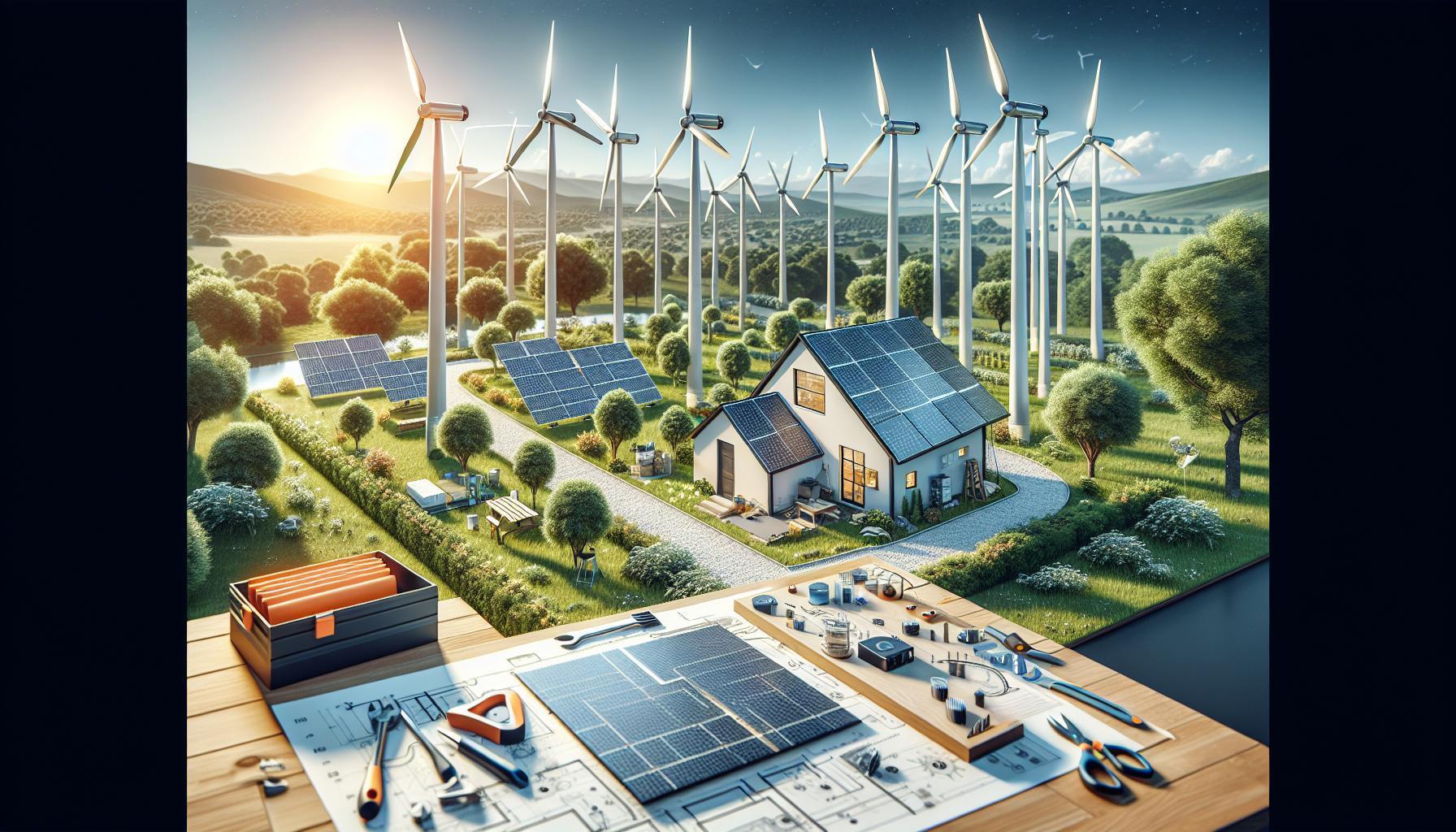

In recent years, wind farms have emerged as a pivotal force in the transition to renewable energy, generating approximately 7% of the total electricity in the U.S. alone. But how effective are they in delivering sustainable energy solutions? Understanding the success of wind farms goes beyond mere installation; it involves examining their impact on energy production, environmental benefits, and economic viability.
For homeowners, businesses, and policymakers, the effectiveness of wind farms can influence energy costs and environmental footprints, making this topic highly relevant. As concerns about climate change and energy security grow, measuring the success of wind farms becomes crucial. In this exploration, we will delve into the metrics that define wind farm effectiveness and reveal how these installations can pave the way for a cleaner, more sustainable future. Join us as we uncover the potential of wind energy and its role in a greener tomorrow.
Understanding Wind Farm Effectiveness
Wind farms represent a cornerstone in the transition to renewable energy, with their effectiveness not only measured by energy output but also through various socio-economic, environmental, and technical parameters. Understanding their effectiveness hinges on several key indicators, including capacity factor, which assesses the actual output versus potential output over time. For instance, a wind farm with a capacity factor of 40% is performing well above the global average, which typically hovers around 33%. This metric directly influences the economic viability of the project and helps investors gauge return on investment.
Furthermore, integrating wind farms into the local energy grid has transformative effects on energy diversification, increasing resilience against price volatility associated with fossil fuels. As communities invest in wind energy, they witness reduced reliance on imported fuels, enhancing energy security. However, effectiveness is nuanced; regional climatic conditions and technological advancements play significant roles in optimizing wind farm performance. For example, newer turbine models with larger blades and advanced materials generate more energy from lower wind speeds, maximizing production during peak demand hours.
Another dimension of wind farm effectiveness is public perception and community engagement. Successful projects often include local stakeholder involvement from inception to operation, fostering support and minimizing opposition. Engagement strategies that highlight economic benefits, such as job creation and tax revenues for local governments, are crucial. A wind farm that directly contributes to local economies while maintaining transparency and open communication channels generally experiences greater acceptance and operational success.
In summary, measuring the effectiveness of wind farms is a multifaceted endeavor that encompasses technical performance, economic impact, and community relations. By fostering a holistic understanding of these factors, stakeholders can optimize wind energy projects to not only meet energy demands but also to contribute positively to the socio-economic fabric of their regions.
Key Metrics for Measuring Success
The success of wind farms can be assessed through multiple key metrics that provide insight into both their operational efficiency and broader impacts. One of the primary indicators is the capacity factor, which measures the actual output of a wind farm to its maximum potential output over a given period. A capacity factor above 40% is considered outstanding, as this suggests that the wind farm is not only efficiently harnessing wind energy but also contributing significantly to the energy grid’s reliability. The global average capacity factor tends to hover around 33%, making higher figures a marker of operational excellence and economic viability.
Another important metric is the Levelized Cost of Energy (LCOE), which aggregates the total cost of the project – including capital, operations, and maintenance – divided by the energy produced over its lifetime. LCOE provides a clear picture of the economic competitiveness of wind energy compared to other energy sources. For instance, recent analyses have demonstrated that onshore wind energy can have an LCOE lower than $30 per megawatt-hour, making it increasingly attractive for both utilities and investors as a cost-effective and sustainable energy source.
Environmental performance metrics are also crucial when evaluating the success of wind farms. This includes measuring the reduction in greenhouse gas emissions compared to fossil fuel generation. For example, a single megawatt of installed wind capacity can displace roughly 1,500 tons of carbon dioxide emissions annually. Monitoring these environmental impacts supports stakeholders in understanding how wind farms contribute to broader climate goals and assists in policy advocacy for renewable energy investments.
Finally, the community engagement index assesses the social acceptance and local support for wind projects. Successful wind farms typically have strong relationships with local communities, often measured through surveys and feedback mechanisms that gauge public perception. By tracking community sentiments and their alignment with project goals, developers can better navigate local opposition and enhance the social benefits tied to job creation and local economic stimulation.
In summary, measuring the success of wind farms involves a comprehensive assessment of several key metrics that reflect their economic, environmental, and social performance, providing a fuller picture of their effectiveness in the renewable energy landscape.
Economic Impact of Wind Farms
The economic benefits of wind farms extend far beyond mere energy production; they can significantly boost local economies, create jobs, and contribute to national energy independence. According to industry estimates, for every megawatt of installed wind capacity, approximately 1.17 jobs are created during construction and about 0.4 jobs are sustained for ongoing operations and maintenance. These figures highlight how wind energy projects provide not only a sustainable power source but also a robust economic engine for communities where they are developed.
Job Creation and Economic Growth
When a new wind farm is installed, it typically leads to substantial economic activity in the region. This includes both direct jobs-such as those involved in the construction and maintenance of the wind turbines-and indirect jobs across numerous sectors. Local businesses, from suppliers of materials to service providers, often experience growth due to the influx of investment related to wind projects. Communities can see jobs in areas like:
- Manufacturing: Wind turbine components are often produced locally, supporting manufacturing jobs.
- Construction: Installation of wind turbines requires skilled labor, generating temporary jobs.
- Maintenance: Ongoing operations create long-term employment opportunities.
Aside from job creation, wind farms contribute to local tax revenues which can be used for schools, roads, and community services. For instance, a 2019 report from the U.S. Department of Energy indicated that wind energy contributed over $1.9 billion in state and local tax payments, enhancing public services in various regions.
Stabilizing Energy Prices
Another crucial is their potential to stabilize energy prices. Wind energy is inherently low in operating costs once established, as it utilizes a free fuel source-the wind. This can lead to lower energy costs for consumers over time, especially as fossil fuel prices fluctuate. Additionally, the deployment of wind energy contributes to energy diversification, reducing dependency on imported fuels and insulating the local economy from global energy market volatility.
In summary, the encompasses job creation, local economic stimulation, and price stabilization, reinforcing their role as a cornerstone of sustainable energy policy and community development. By investing in wind energy, regions not only commit to cleaner energy but also empower themselves economically, paving the way for a greener and more prosperous future.
Environmental Benefits of Wind Energy
Wind energy stands out as one of the cleanest and most sustainable sources of energy available today, offering significant environmental benefits that extend beyond mere power generation. Wind farms produce electricity without emitting greenhouse gases or pollutants, making them a pivotal component in the fight against climate change. For every megawatt hour of electricity generated by wind, approximately 0.01 metric tons of carbon dioxide are avoided, underscoring the role of wind energy in reducing our carbon footprint and mitigating global warming.
The environmental advantages of wind energy are not just about carbon reduction; they also encompass enhancements in air quality and biodiversity. By displacing fossil fuel usage, wind power helps reduce air pollution caused by the combustion of coal, oil, and natural gas, which is associated with respiratory diseases and other health issues. Furthermore, proper siting and design of wind farms can lead to minimal impact on local wildlife. For instance, many modern projects include measures to monitor and mitigate effects on bird and bat populations, integrating advancements in technology to enhance coexistence between renewable energy infrastructure and nature.
Another essential aspect of wind energy is its minimal resource consumption. Unlike traditional energy sources that require water for cooling and extraction, wind energy uses virtually no water in its operations. This scarcity of water, especially in arid regions, makes wind energy an attractive option for ensuring sustainable energy production without straining local water supplies. As nations strive to balance energy demands with environmental stewardship, the deployment of wind farms alongside other renewables creates a diversified energy portfolio that enhances resilience against changing climate conditions.
In conclusion, the are crucial in promoting a sustainable future. By investing in wind farms, communities not only contribute to cleaner air and reduced greenhouse gas emissions but also support a paradigm shift towards renewable energy systems that prioritize ecological harmony. This transition to wind energy is not just a matter of technological advancement but also an essential step toward fostering a healthier planet for generations to come.
Technical Innovations in Wind Farm Design
The advancement of wind farm design has transformed the landscape of renewable energy, making these installations not only more efficient but also more adaptable to the shifting dynamics of energy needs and environmental concerns. In recent years, several innovative technologies have emerged, enabling wind farms to generate more power while minimizing their ecological footprint. One of the most exciting developments is the integration of smart technology into wind farm operations. By utilizing advanced data analytics and machine learning, operators can optimize the performance of individual turbines, predict maintenance needs, and make real-time adjustments to maximize energy output.
Another notable innovation is the evolution of turbine design itself. Modern turbines are now equipped with larger blades that capture more wind energy, thereby increasing their efficiency. These blades are often made from lighter, stronger materials, allowing for extended reach and performance even in lower wind conditions. Furthermore, innovations like vertical-axis turbines are gaining traction, especially in urban settings where space is limited. These designs not only reduce noise and visual impact but also enable wind energy harnessing in turbulent wind patterns typically found in built environments.
Enhanced Siting and Layout Strategies
Strategically siting wind farms has become a science of its own, with computer simulations helping to identify optimal locations that maximize wind exposure while factoring in ecological preservation. Advanced modeling tools allow planners to visualize wind flow patterns and assess potential impacts on local wildlife before construction. Additionally, new layout strategies have emerged, such as the “swept path” approach, which arranges turbines in a way that minimizes wake effects-where one turbine’s wind shadow negatively affects the performance of another. By carefully considering these factors, energy production can be significantly enhanced, making wind farms more effective.
As a result of these technical innovations, the effectiveness of wind farms in generating clean energy is on the rise. For instance, the integration of energy storage solutions alongside wind farms allows for smoother and more reliable energy delivery, evening out fluctuations in wind availability. This synergy between storage technology and wind generation paves the way for wind energy to play a more substantial role in meeting global energy demands. The continuous evolution of wind farm technology not only contributes to more sustainable energy systems but also underscores the importance of innovation in achieving long-term energy goals.
Challenges and Limitations of Wind Farms
Despite the rapid advancements and growing popularity of wind energy, several challenges and limitations continue to hinder the overall effectiveness and public acceptance of wind farms. One significant issue is their reliance on wind availability, which is inherently unpredictable. This intermittency means that wind farms cannot consistently supply energy, leading to concerns about their ability to meet baseline energy demands effectively. For regions that experience prolonged periods of low wind, supplementary energy sources are required, which can dilute the environmental benefits associated with wind power.
Furthermore, the installation of wind turbines often faces strong opposition from local communities. The concerns range from aesthetic impacts on the landscape to potential noise pollution generated by turbine operation. Such community resistance can delay projects or even prevent them from moving forward entirely. In some cases, regulatory hurdles and lengthy permitting processes can also impact the feasibility and timing of wind farm development, leading to increased costs that can deter investment.
The environmental implications of wind farms also merit attention. While they are significantly cleaner than fossil fuel alternatives, the construction and ongoing operation of wind farms can affect local wildlife. Birds and bats, for instance, can be at risk of collision with turbine blades, raising important questions about biodiversity. Effective siting and design strategies that mitigate these risks are critical, yet implementing them can complicate and prolong project development timelines.
Lastly, the lifecycle of wind turbines raises sustainability concerns. Manufacturing and disposing of turbine components can involve significant resource consumption and energy use, which, if not carefully managed, may offset some of the greenhouse gas emissions reductions achieved during their operational phase. Transitioning to more sustainable materials and improved recycling processes remains a crucial forward step.
In summary, while wind farms represent a promising avenue in the pursuit of renewable energy, addressing these challenges through innovative design, better community engagement, and sustainable practices will be essential for maximizing their effectiveness in combatting climate change.
Case Studies: Successful Wind Farm Projects
The success of wind farms can be vividly illustrated through compelling case studies that showcase their effectiveness and the tangible benefits they bring to local communities and economies. For instance, the Hornsea One project off the coast of the UK stands as the largest offshore wind farm in the world with a capacity to generate 1.2 GW of electricity. Completed in 2020, Hornsea One produces enough energy to power over a million homes annually, significantly contributing to the UK’s renewable energy targets. Additionally, this project illustrates the economic impact of wind energy; it has created thousands of jobs both in construction and maintenance, boosting local economies and driving investments in renewable infrastructure.
Real-World Successes
Another exemplar is the Alta Wind Energy Center (AWE) in California, which consists of several wind farms with a combined capacity of 1,548 MW, making it one of the largest onshore wind complexes in the United States. AWE not only generates enough power for approximately 400,000 homes but also exemplifies a successful model of public-private partnerships. The investment in such large-scale projects has resulted in significant reductions in carbon emissions and has positioned California as a leader in the transition to clean energy.
Moreover, the Maple Ridge Wind Farm in New York serves as a testament to the importance of community engagement. Following its launch in 2006, this farm established a cooperative framework that allowed local stakeholders to have a say in operational decisions, thereby enhancing public acceptance. With 195 turbines generating over 300 MW, Maple Ridge has been pivotal in fostering supportive relationships between developers and local residents, ensuring that economic benefits such as tax revenues and job creation are shared within the community.
Key Takeaways
These examples highlight several key factors contributing to the notable success of wind farms:
- Community Involvement: Local engagement strategies can mitigate opposition and enhance project viability.
- Economic Benefits: Job creation and local investments significantly impact community economies.
- Capacity and Reliability: Large, efficient projects like Hornsea One can provide substantial and reliable energy to meet demand.
The case studies of projects like Hornsea One, AWE, and Maple Ridge not only delineate the operational feasibility of wind farms but also address common concerns regarding their effectiveness, thereby providing inspiring blueprints for future wind energy initiatives. As these projects demonstrate, well-planned wind farms can thrive, benefiting both the environment and local communities.
Comparing Wind Farms to Other Renewable Sources
The debate surrounding the effectiveness of wind farms often leads to an essential comparison with other renewable energy sources, such as solar, hydroelectric, and geothermal energy. Each type of renewable energy has distinct advantages and challenges, which can influence energy policy decisions, regional energy strategies, and ultimately, the speed at which clean energy is adopted globally.
Wind farms, for instance, have an impressive ability to generate substantial quantities of electricity rapidly and efficiently. Unlike solar energy, which depends heavily on sunlight availability and can be less effective during cloudy or nighttime conditions, wind energy generation can continue at any time of day or night as long as wind conditions are favorable. Wind’s capacity factor, which measures the actual output compared to potential output, often exceeds that of solar power. According to various studies, onshore wind farms can achieve capacity factors ranging from 35% to 45%, while solar panels typically hover around 15% to 25%. This efficiency makes wind farms critical contributors to the energy mix.
However, solar energy has its own merits, particularly in terms of scalability and integration into existing infrastructure. Residential solar panels can be installed on rooftops without requiring large areas of land, reducing the need for extensive permits and minimizing disruption. Moreover, advances in battery technology have improved energy storage solutions, allowing solar energy to be captured and used even when sunlight is absent. As a result, many regions are now seeing increased investment in solar farms as complements to wind energy, creating hybrid systems that capitalize on the strengths of both technologies.
Hydroelectric power, while one of the most established renewable energy sources, faces limitations compared to wind. The environmental impacts of damming rivers can be significant, leading to habitat destruction and altered ecosystem dynamics. Conversely, wind farms usually have a smaller physical footprint and can coexist with agricultural and pastoral activities, promoting land-use compatibility. However, issues of noise, sight pollution, and wildlife impact, particularly on bird and bat populations, remain challenges for the wind energy sector that need to be addressed through thoughtful design and community involvement.
Ultimately, the choice between wind farms and other renewable sources is shaped by local conditions, economic circumstances, and community needs. A balanced approach that leverages the strengths of each type of renewable energy can maximize efficiency and drive sustainability goals forward. By understanding the context and performance of these energy sources, stakeholders can better navigate the clean energy landscape, paving the way for innovative solutions that enhance energy resilience while minimizing environmental impact.
Public Perception and Community Engagement
The success of wind farms is not solely measured by their energy output or economic impact; play crucial roles in their acceptance and effectiveness. A study conducted in various regions revealed that communities that are actively involved in the development and decision-making processes around wind energy projects tend to have higher levels of support. Engaging with stakeholders-ranging from local residents to environmental groups-can significantly mitigate opposition and facilitate smoother implementation of projects.
Effective communication strategies are paramount in fostering a positive public perception. Educational campaigns that inform communities about the benefits of wind energy, such as job creation, reduced dependence on fossil fuels, and environmental sustainability, can shift narratives. For instance, a community-led initiative that shares testimonials from residents benefiting from local wind farms can reshape perceptions, illustrating real-life advantages rather than abstract benefits. This approach not only demystifies wind energy but also highlights its positive local impact.
Moreover, addressing concerns is equally vital. Communities often express worries about noise, visual impact, and wildlife effects associated with wind farms. By openly discussing these issues and demonstrating a commitment to minimalizing impacts through careful site selection and technology upgrades-such as quieter turbines and avian monitoring systems-developers can cultivate trust and collaboration. Incorporating feedback mechanisms, like surveys or public forums, can empower residents, allowing them to voice their opinions and contribute to the planning process.
To enhance community engagement further, initiatives such as local ownership or profit-sharing models can be implemented. When residents feel a financial stake in the success of wind farms, their support typically increases, creating a sense of shared purpose. This collaborative governance model reflects a broader trend where communities increasingly demand a say in energy projects. By actively involving local populations, wind energy projects not only gain social license to operate but also solidify their role as integral components of a sustainable energy future.
Policy and Regulation Impacting Wind Energy
The landscape of wind energy is deeply intertwined with the policies and regulations established by governments at various levels. These frameworks play a pivotal role in fostering or hindering the development of wind farms. Effective policy measures not only incentivize investments in renewable energy but also establish the parameters within which these projects operate, ensuring that they are environmentally sound and economically viable.
One of the most significant elements influencing the success of wind farms is the availability of federal and state incentives. For instance, tax credits such as the Production Tax Credit (PTC) and Investment Tax Credit (ITC) have historically provided tangible financial support to wind energy developers. These incentives can reduce capital costs and enhance the return on investment, making wind projects more attractive. Moreover, states with Renewable Portfolio Standards (RPS) mandate a certain percentage of energy production from renewable sources, driving further demand for wind energy and ensuring a market for the electricity generated.
Regulatory Frameworks and Local Permitting
Regulatory frameworks are critical in shaping the development process of wind farms. The need for comprehensive environmental assessments, land use agreements, and public consultations means that developers must navigate a complex web of local, state, and federal regulations. For instance, local zoning laws can significantly impact project timelines and costs. Successful projects often rely on early engagement with stakeholders to ensure compliance with local regulations and to address community concerns. Transparent dialogue with affected communities can alleviate opposition and facilitate smoother permitting processes.
Many regions have also adopted streamlined permitting processes which are essential for expediting project development. States like Texas and California, known for their robust wind energy sectors, have implemented policies that simplify these processes, resulting in quicker construction timelines. Conversely, jurisdictions with stringent regulations may face delays, uplift costs, and deter new investments.
Future Trends in Wind Energy Regulation
As the wind energy sector evolves, so too does the regulatory landscape. Upcoming policies are likely to focus on integrating more advanced technologies and ensuring sustainable practices that mitigate potential ecological impacts. For example, regulations that encourage the development of offshore wind farms are gaining momentum, given their potential for high energy yield and reduced land use conflicts. Moreover, climate change initiatives are pushing for more aggressive targets for carbon emissions, providing a further boost to the wind energy industry.
In conclusion, the success of wind farms is intricately linked to effective policy and regulation. Engaging with existing frameworks and advocating for supportive policies can enhance the operational viability of wind projects and contribute significantly to the transition towards a sustainable energy future. Stakeholders, from developers to local residents, must work collaboratively to shape a regulatory environment that maximizes the benefits of wind energy while addressing community concerns.
Future Trends in Wind Farm Technology
The wind energy sector is currently undergoing a transformative phase marked by exciting technological advancements that promise to enhance the effectiveness and efficiency of wind farms. As the demand for clean energy grows, innovations in turbine design, materials, and operational management are set to redefine the landscape of renewable energy generation. For instance, the development of larger and more efficient turbines allows for greater energy capture from less windy sites, thereby expanding the potential locations for wind farm installations.
One of the most notable trends is the shift towards offshore wind farms, which can harness the stronger and more consistent winds found at sea. These installations not only benefit from increased energy output but also minimize conflicts over land use. Offshore wind technology is evolving rapidly, with floating turbine designs poised to revolutionize the industry by allowing placement in deeper waters, where traditional fixed turbines are not feasible. This innovation expands the geographic range where wind farms can be established, promising a significant boost to overall energy production.
Additionally, advancements in turbine technology are leading to improved efficiency and reliability. The incorporation of smart sensors and data analytics enables real-time monitoring of wind conditions and turbine performance. This proactive approach facilitates predictive maintenance, significantly reducing downtime and maintenance costs. Furthermore, the use of aerodynamic blade designs and lighter materials results in turbines that can maximize energy conversion while minimizing environmental impact.
Regulatory frameworks are also adapting to these technological advancements, emphasizing the integration of next-generation wind technologies into the energy grid. Policies that support innovation, such as funding for research and development, are essential to encourage improvements in wind energy technology. As these trends continue to evolve, the future of wind farms looks promising, with the potential to significantly contribute to a sustainable energy future. This transition is not just about technological superiority but also about creating a cleaner, greener environment for future generations.
Maximizing Efficiency in Wind Farms
Maximizing the efficiency of wind farms is crucial for enhancing their overall effectiveness in the renewable energy landscape. Recent advancements have shown that optimizing the operation and design of wind systems can lead to substantial gains in energy production and reliability. For instance, better turbine placement and configuration can significantly affect how much wind energy is harnessed. Site assessments using advanced modeling techniques can identify locations with the highest average wind speeds, ensuring that turbines are sited where they can capture maximum wind energy.
In addition to strategic placement, utilizing the latest turbine technology plays a vital role in efficiency enhancement. Modern turbines are equipped with advanced aerodynamic designs and larger rotor blades that allow them to capture more energy from the wind. By integrating smart technology such as IoT sensors and machine learning algorithms, operators can monitor performance in real-time, making adjustments to optimize energy output continually. These systems can predict maintenance needs and automatically adjust turbine settings based on fluctuating wind conditions, thus reducing downtime and increasing energy generation.
Furthermore, integrating energy storage solutions with wind farms can effectively maximize their output during periods of low wind. Battery systems can store excess energy generated during peak wind periods and release it during calm spells, creating a more consistent energy supply. This not only improves grid reliability but also enhances the economic viability of wind projects. By combining these strategies with community engagement initiatives, operators can ensure local support and reduce potential conflicts, reinforcing the long-term sustainability of wind energy.
Ultimately, the path to maximizing wind farm efficiency involves a combination of technological innovation, strategic site selection, and community involvement, all of which contribute to a more effective and reliable renewable energy future. Providing wind farms with the tools and strategies they need to adapt and thrive in diverse environments will play a pivotal role in meeting global energy demands sustainably.
Frequently Asked Questions
Q: Are wind farms effective in generating renewable energy?
A: Yes, wind farms are highly effective in generating renewable energy. They convert wind energy into electricity, producing significant amounts of clean power, reducing reliance on fossil fuels, and minimizing greenhouse gas emissions, contributing to a sustainable energy future.
Q: How do we measure the success of a wind farm?
A: The success of a wind farm is measured using factors such as energy output, capacity factor, economic viability, and environmental impact. Key metrics include the number of kilowatt-hours produced, operational costs, and the reduction in carbon emissions compared to traditional energy sources.
Q: What impacts the efficiency of wind farms?
A: Several factors impact the efficiency of wind farms, including wind speed and consistency, turbine design, site location, and maintenance practices. Optimal turbine placement in areas with steady wind patterns enhances energy production and overall farm efficiency.
Q: Are there environmental impacts associated with wind farms?
A: While wind farms provide clean energy, they can impact local wildlife and ecosystems. Potential issues include land use changes, noise, and risks to birds and bats. However, proper site assessment and technology improvements can mitigate these effects significantly.
Q: Why should we invest in wind energy?
A: Investing in wind energy is crucial for reducing carbon emissions, promoting energy independence, and creating jobs in the renewable sector. Wind energy offers a sustainable solution to energy demands while fostering technological advancements and economic development.
Q: How do wind farms compare to solar energy?
A: Wind farms and solar energy have unique advantages. Wind energy is often more consistent in windy areas, while solar energy excels in sunny regions. Combining both can provide a more reliable renewable energy mix, optimizing energy production across different weather conditions.
Q: What are the economic benefits of wind farms?
A: Wind farms generate substantial economic benefits, including job creation in manufacturing, installation, and maintenance. They also provide income for landowners and local governments through leasing agreements and property taxes, stimulating economic growth in rural areas.
Q: When is the best time to invest in wind energy?
A: The best time to invest in wind energy is when government incentives, such as tax credits or subsidies, are available. Additionally, as technology advances and costs decrease, investing now can lead to long-term savings and sustainability benefits.
Feel free to explore more about the effectiveness and benefits of wind farms for a comprehensive understanding of renewable energy solutions!
To Wrap It Up
As we’ve explored, evaluating the effectiveness of wind farms reveals their significant contributions to renewable energy, reduced carbon emissions, and local economies. However, your journey doesn’t end here. Delve deeper into how different regions implement wind energy solutions by checking out our related articles on the impact of wind farms on biodiversity and innovative technologies in wind energy harvesting.
Ready to take the next step toward a sustainable future? Sign up for our newsletter to stay informed on the latest developments in renewable energy and discover additional resources that empower your green initiatives. Don’t hesitate to leave your thoughts in the comments-together, we can drive the conversation forward in adopting clean energy solutions. Every click and share matters as we pave the way for a greener planet. Keep exploring, and let’s make a positive impact together!
Get our latest guides, news, and insights highlighted in your Google Search & AI Overviews.